ELC
PlantingSeeds’ Early Learning Program has been designed to link to the National Quality Standards (NQS) and Early Years Learning Framework (EYLF), including the three new principles (below) and meets key outcomes required for ACECQA accreditation.
Aligned for Early Learning
Three new principles
The three new principles are:
Sustainability
Aboriginal and Torres Strait Islander perspectives
Collaborative leadership and teamwork
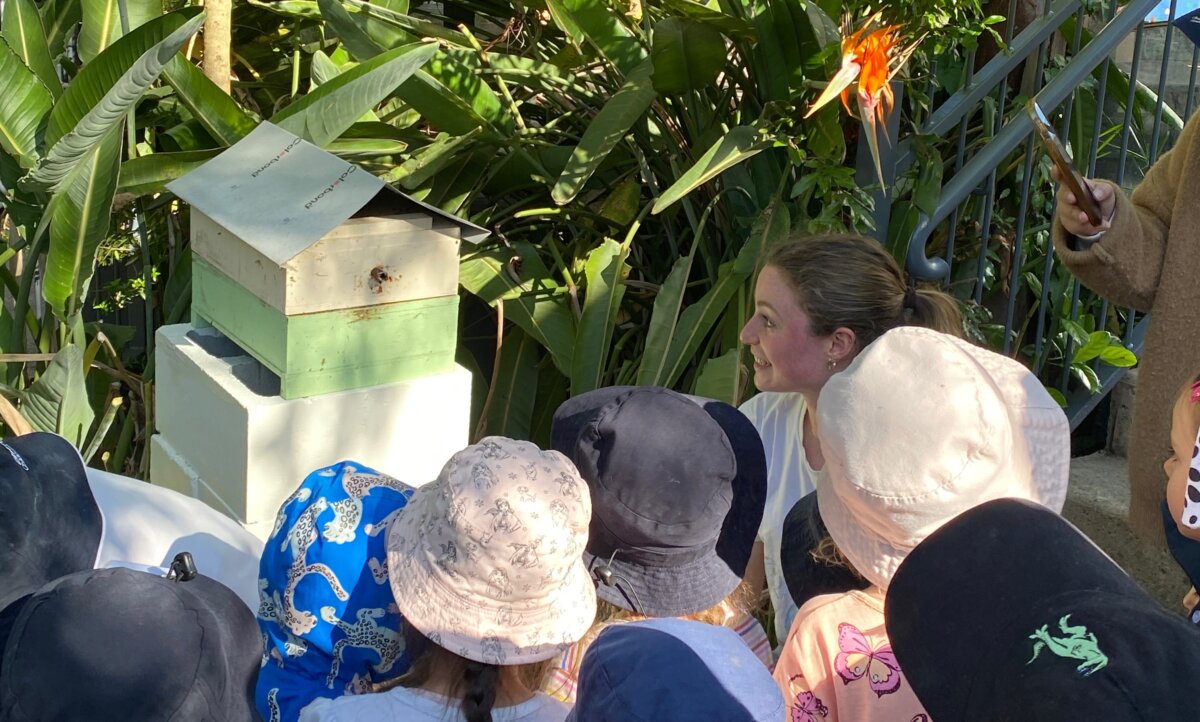
There are four key components of the B&B Highway program which involve indoor educational learnings and associated outdoor hands-on activities:
1
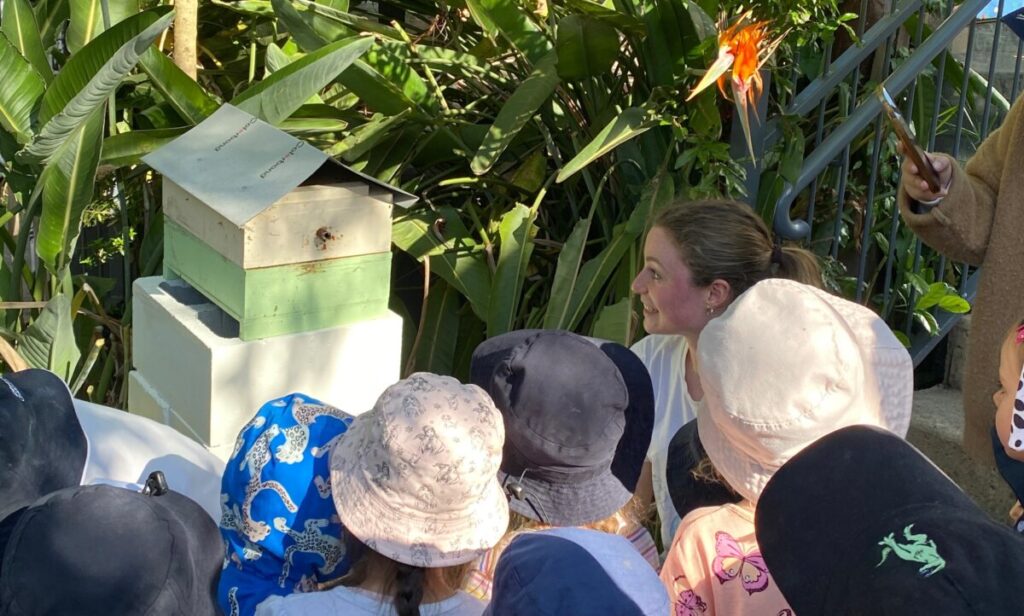
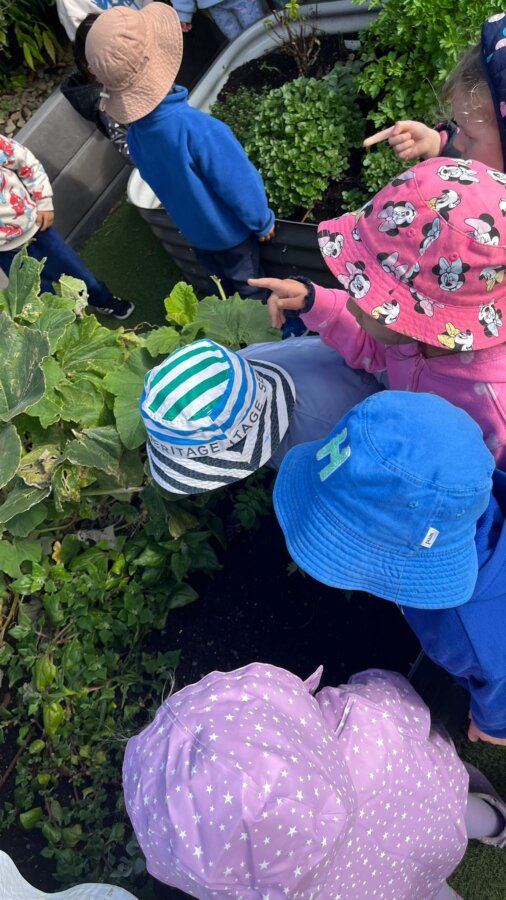
Children learn about biodiversity, habitat, pollinators and pollination and develop skills to explore their outdoor area
2
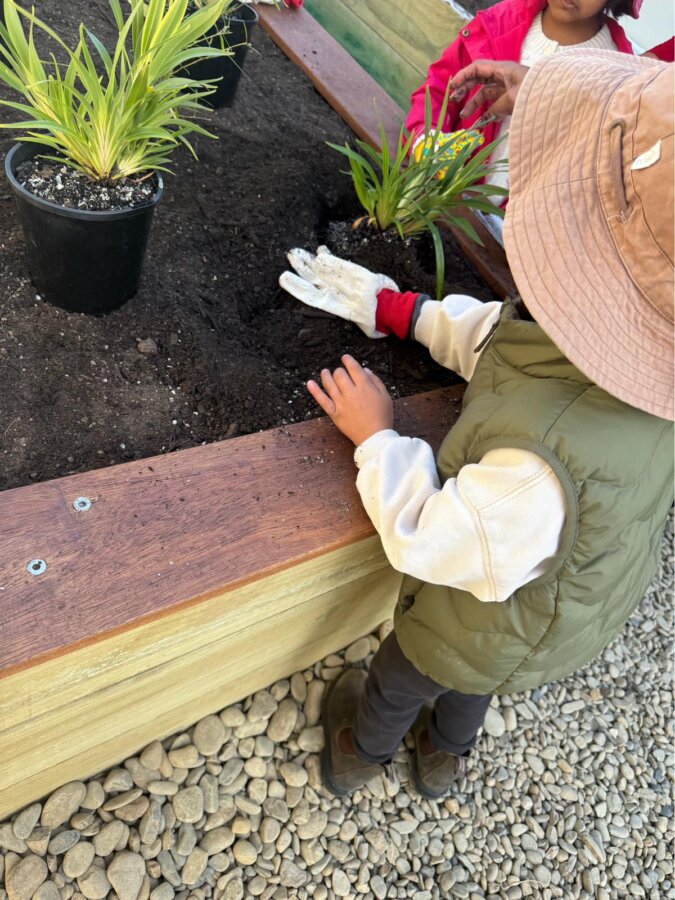
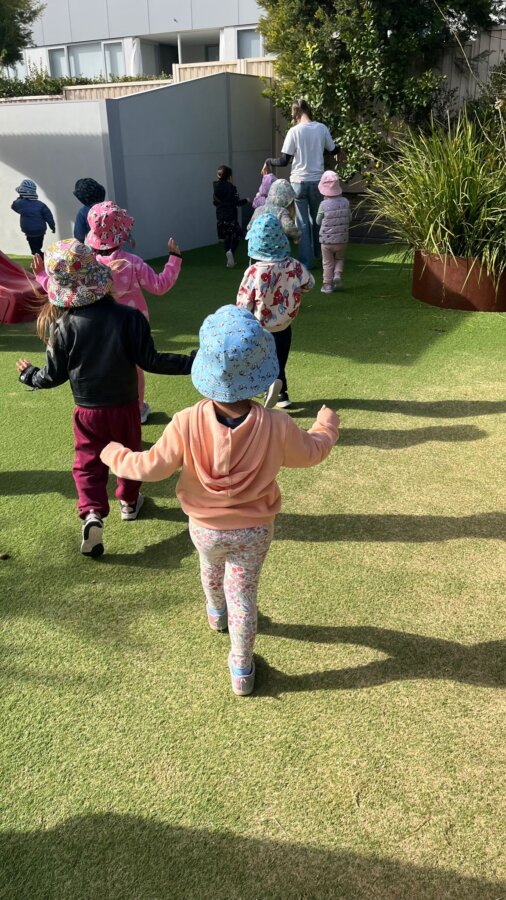
Children understand the relationship between plants and pollinators and then plant a pollinator garden
3
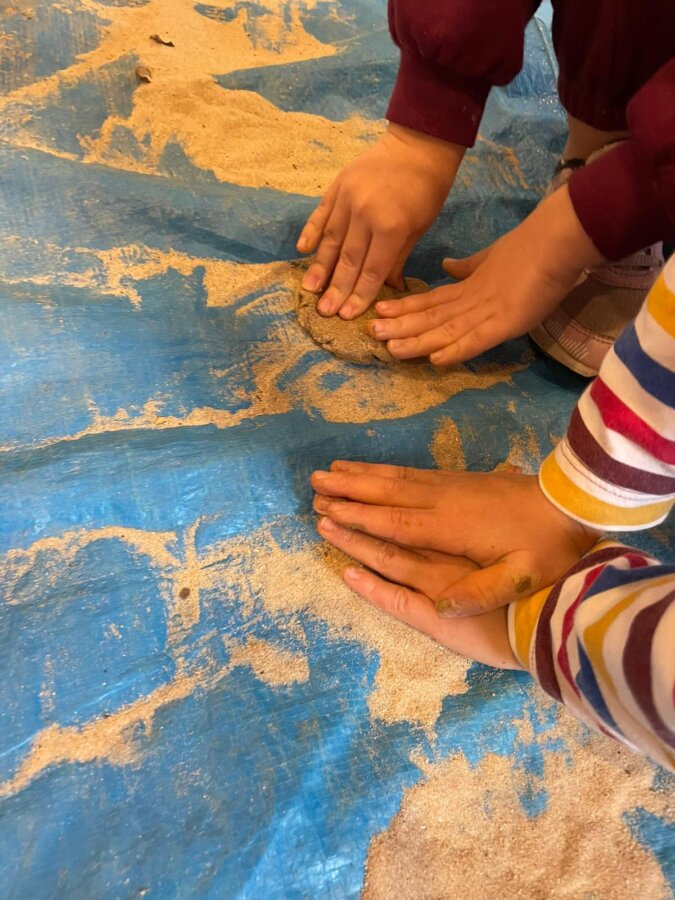
Children become scientists by observing, recording and photographing plants and pollinators to share onto biodiversity databases
4
Children recognise the need to construct habitat as well as plant to make their centre a haven for pollinators and build Blue Banded Bee homes using natural materials
All resources are provided.
Ready for educators and children to get started
Learning in Action
Key Outcomes
- Outdoor learning skills: observation, problem solving, numeracy skills, life skills (planting)
- Sustainability/Aboriginal perspectives and principles
- Incorporating technologies
- Connection to local community/environment
Pollinator Plant Palette
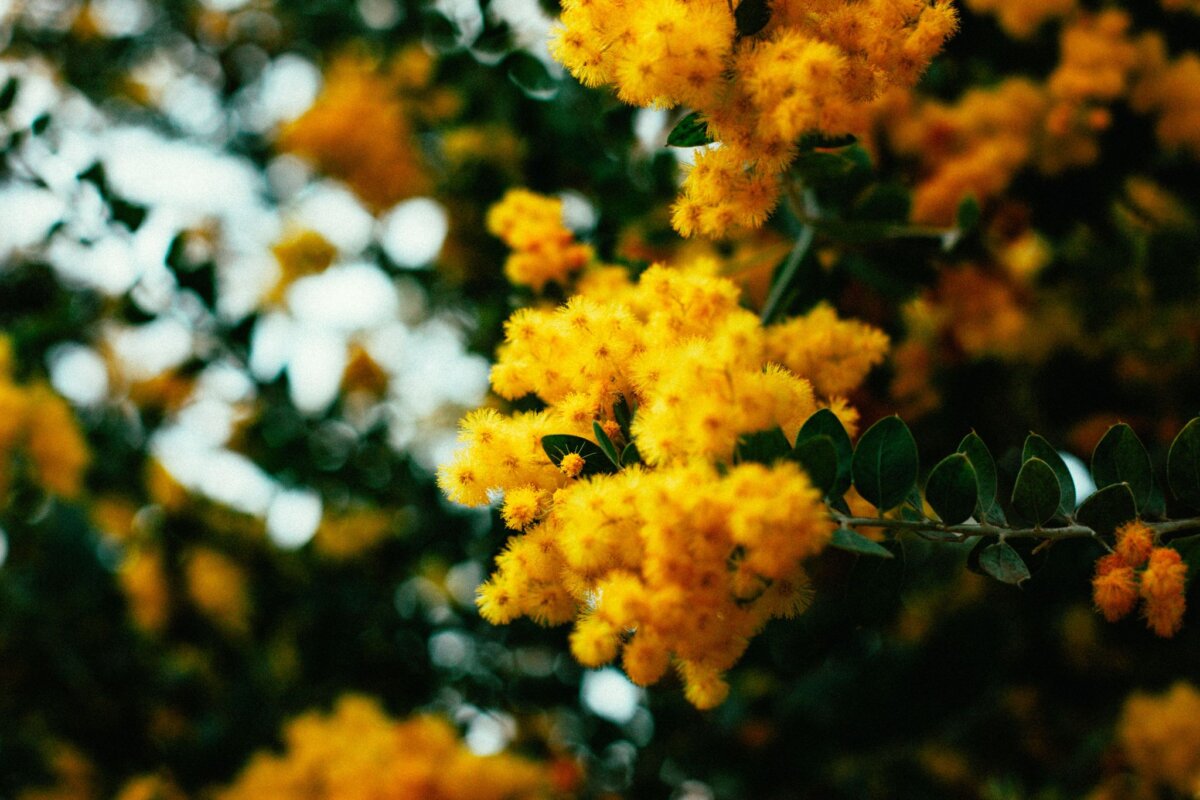
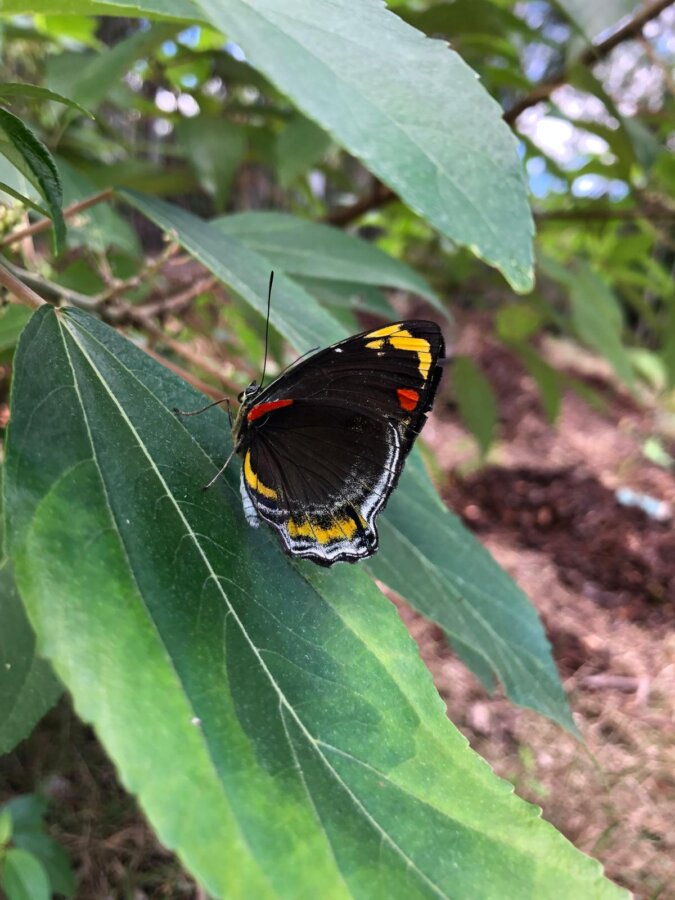
- Advice on species and procurement of local native endemic plant species to help local biodiversity with specifics, for example, on sizes (ground covers, shrubs, etc., for tiers) and colours to attract birds, butterflies, etc.
Constructed habitat
- Stingless beehive, nesting boxes, insect hotels
Structured and interactive nature-based activities
- Documenting, monitoring and observing
- Encourages caring, connecting, active involvement and advocacy (planting and taking responsibility for plants)
- Placing of Blue-banded bee hotels by children (problem solving/displaying an understanding of animals’ needs)
- Connecting to Country and Indigenous knowledge (endemic plants including bush tucker)
- Using technology and Smart devices (PlantingSeeds has developed citizen science resources with the Atlas of Living Australia hosted by the CSIRO & has worked with the Office of the Chief Scientist, the NSW Dept of Education, and Environment Education Victoria)
Connection to community
- Interpretive signage with QR codes to provide information on plants, habitat, skills and tips for helping local biodiversity and the environment
- Opportunity to create community event and activities – to bring in parents and caretakers providing hands-on activities and resources
- Sharing resources on plants, pollinators and citizen science with local community around centre
- Opportunities to link up with fellow centres creating a regenerative corridor of plants, pollinators and people