Case Studies
Case Studies:
Regenerative Programs in Action
Strathfield Council
Strathfield Classroom to Canopy Program
Funder: Strathfield Council

- Number of Locations
- 4
- Number of Participants
- 240
- Number of Plants
- 260
Overview
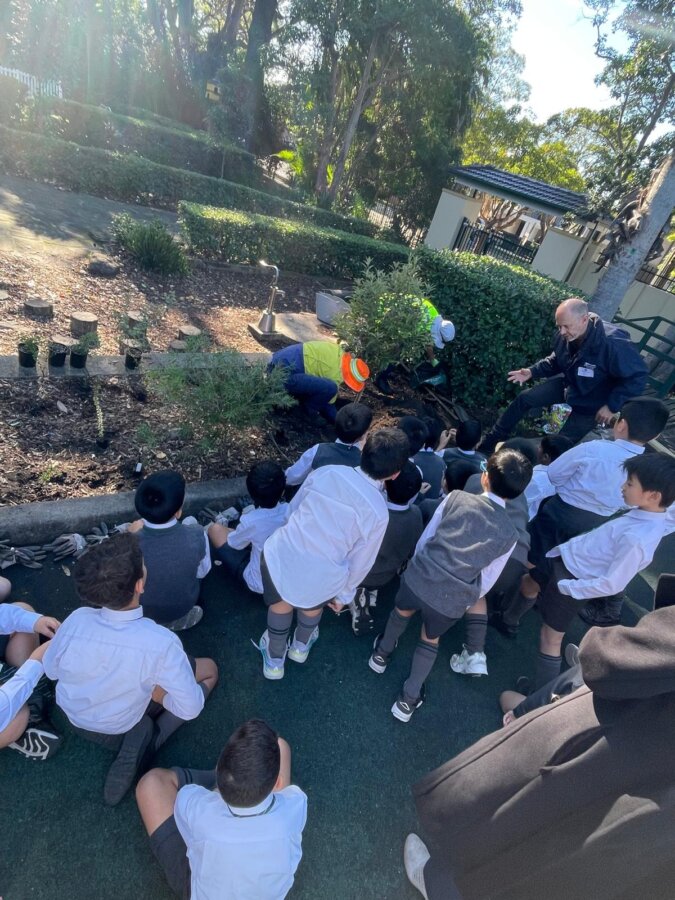
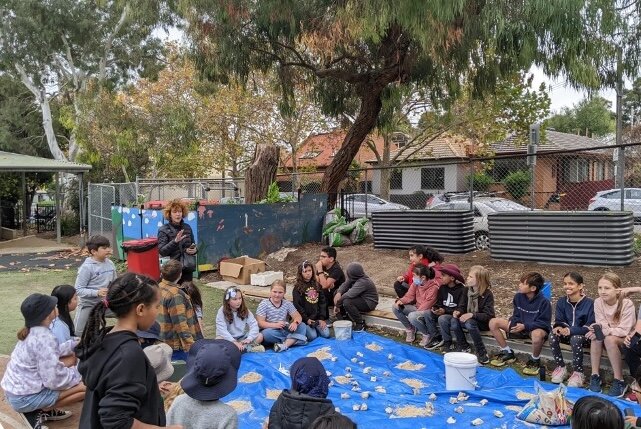
Over the course of a few months, Homebush Boys High School, Marie Bashir Public School, Strathfield South High School and Trinity Grammar Preparatory School participated in the PlantingSeeds and Strathfield Council Classroom to Canopy Project. This regenerative urban cooling initiative allowed each school to transform their gardens into vibrant, multi-tiered canopy spaces, creating green spaces for students while supporting native pollinator species, reducing urban heat and educating on green infrastructure impacts.
Outcomes
Students learnt about the importance of biodiversity and multi-level plantings and canopy cover for cooling their local community, measured and quantified their existing level of biodiversity, planted a native, flowering shrub or groundcover species, measured and mapped the synthetic and natural surface temperatures across their school and developed ways to share their knowledge with others and advocate for change.
City of Parramatta
Parramatta B&B Highway
Funder: City of Parramatta Council Grant & Veolia Waste funding

- Number of Locations
- 13
- Number of Participants
- 1250
- Number of Plants
- 1200
Overview
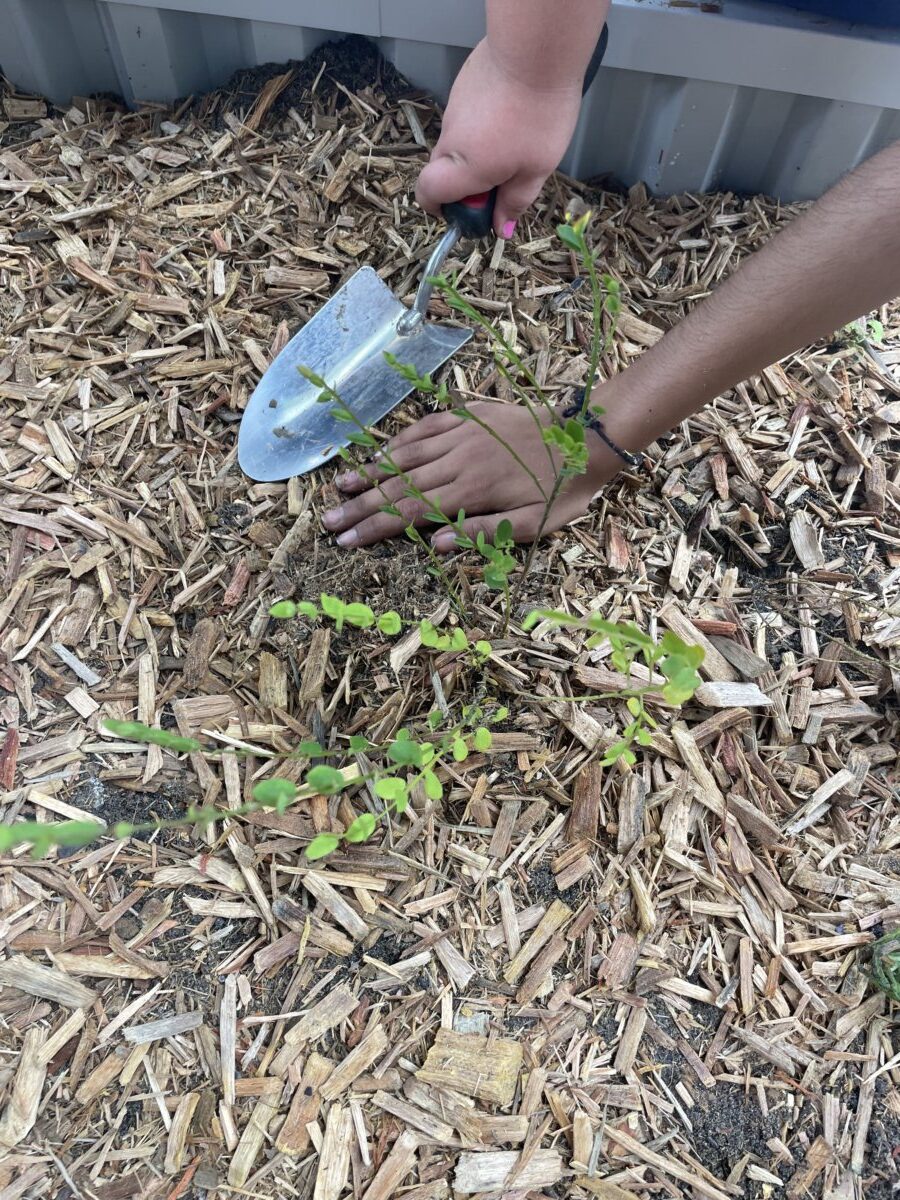
Thanks to grant funding from City of Parramatta council and extra funding from Veolia, PlantingSeeds was able to implement the B&B Highway’s most extensive corridor in the one LGA, Parramatta. With 13 participating schools throughout the LGA, the program delivered knowledge and skills around biodiversity, pollination, planting, citizen science and habitat construction that empowered students, teachers and communities to advocate for our pollinator friends and plan with them in mind.
Outcomes
Each site in the corridor saw a 12-month increase of biodiversity numbers and ranges by an average of 10 per cent. Some key species observed included: Hoverfly, multiple fly species, Honeyeater, Lapwing, various types of native and non-native bees with many native plants flourishing. Qualitative research revealed positive changes in knowledge and attitudes from teachers and students in respect to hope and empowerment towards biodiversity, and the role individuals can play.
City of Melbourne
City of Melbourne B&B Highway
Funder: City of Melbourne Council Grant

- Number of Locations
- 4
- Number of Participants
- 480
- Number of Plants
- 280
Overview
This project connected and engaged four diverse school communities in the City of Melbourne through creating habitats and hubs to foster regenerative corridors of biodiversity, learnings and social connections.
Outcomes
Habitats for endangered birds, insects and plants were established and practical learning educational sessions engaged and empowered the students to become biodiversity and citizen science champions. Students and families shared learnings.
Penfolds Adelaide
Penfolds Adelaide B&B Highway
Funder: Penfolds Evermore Grant
- Number of Locations
- 5
- Number of Participants
- 250
- Number of Plants
- 450
Overview
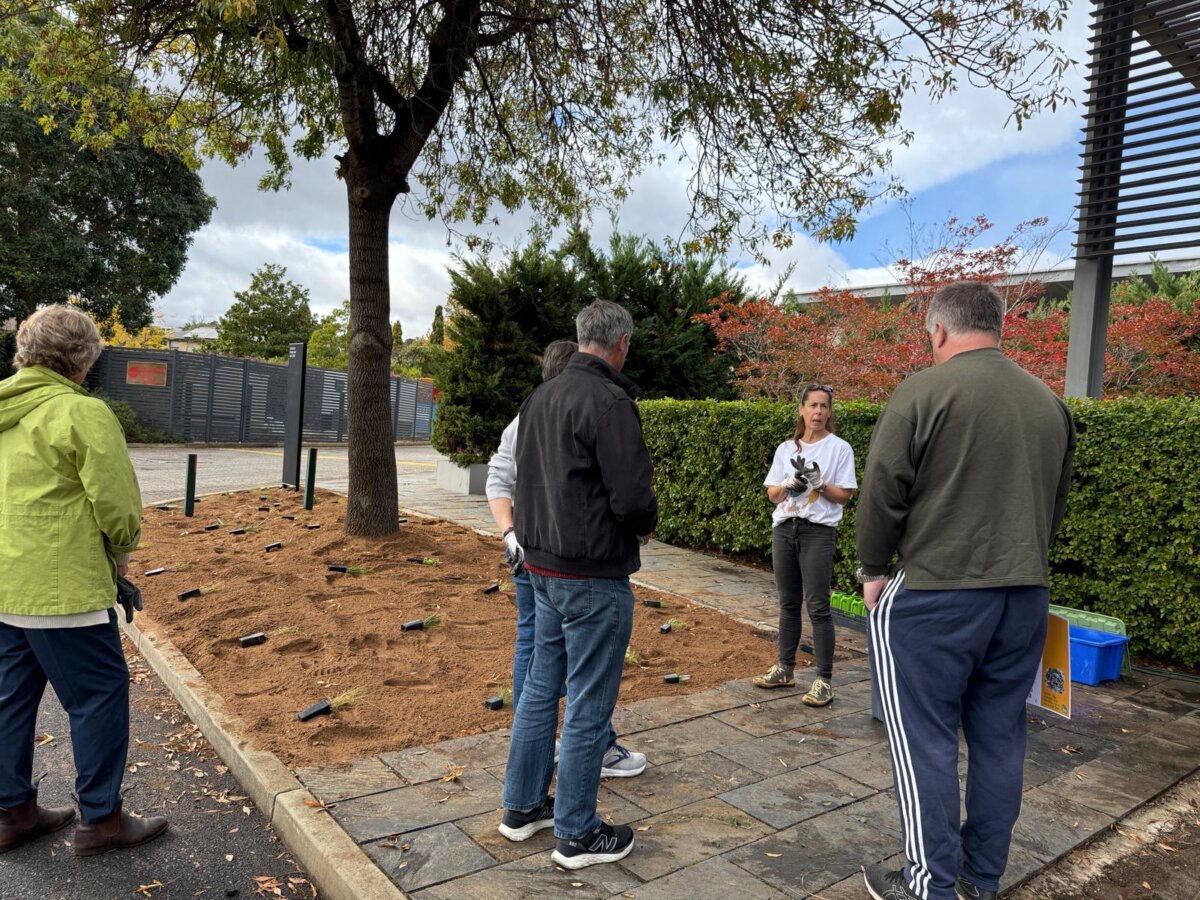
With Penfolds Magill Estate as a base site, PlantingSeeds created a new corridor in four extra sites throughout Adelaide featuring community centres, aged-care facilities, universities and community gardens as hosts for the new B&B’s. Installing WaterUps wicking beds and in-ground plantings, the sessions were open to the general public and involved a broad age range that attracted many participants.
Outcomes
The qualitative results indicated an overall improvement in knowledge and understandings of biodiversity, pollination, habitats and citizen science. Additionally, the provision of resources on topics including native plants, bird/possum boxes and Blue-banded bee homes supported ongoing local education and skills and the enhancement of biodiversity within the natural environment of each location. A key finding of this qualitative analysis study was an increased understanding of the everyday actions that can be taken at the individual level to increase biodiversity in the local environment. This was evidenced by a reported average change from feeling ‘hopeless’ to ‘hopeful’ with regards to environmental issues.