
Articles
B&B Highway
-
From The Conversation: PlantingSeeds Blitzing Biodiversity
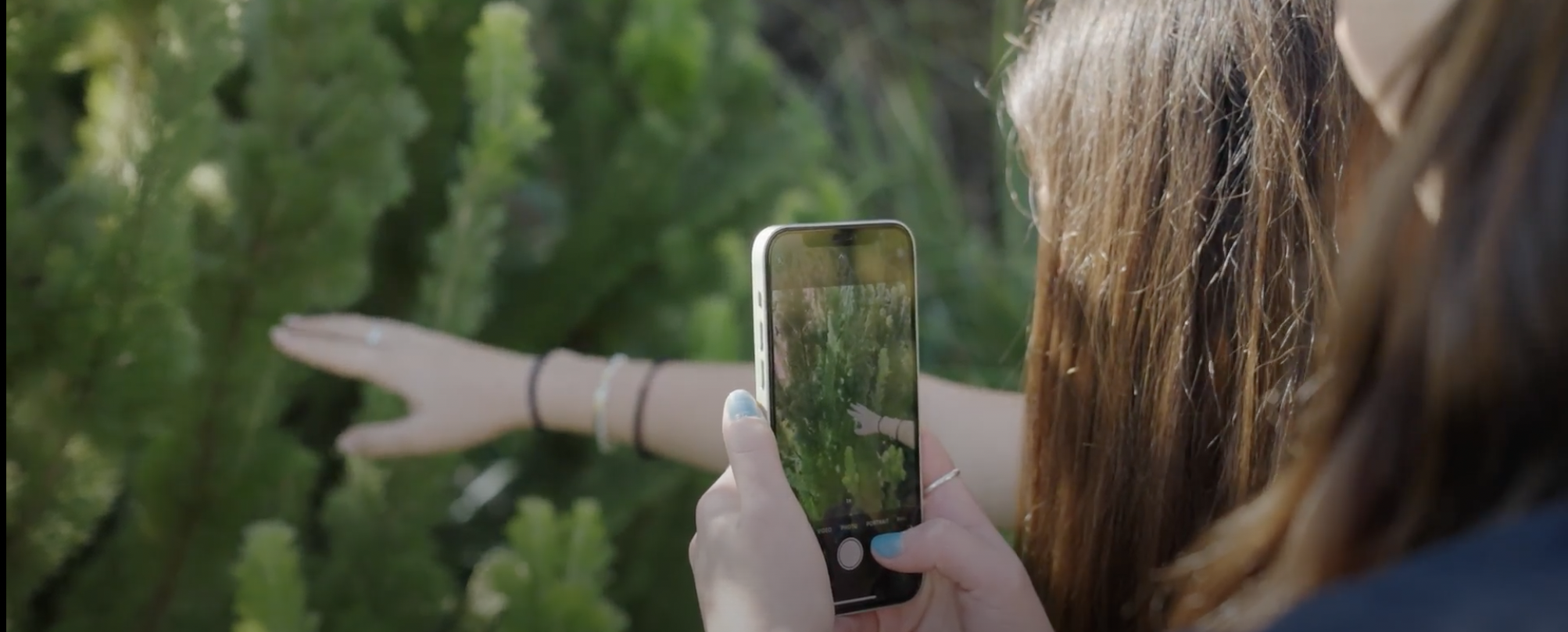
From The Conversation, a report on how PlantingSeeds’ B&B BioBlitz has helped put citizen science on the map. This article originally appeared on The Conversation at the below link: theconversation.com/scientists-need-help-to-save-nature-with-a-smartphone-and-these-8-tips-we-can-get-our-kids-on-the-case-192622 Scientists need help to save nature. With a smartphone and these 8 tips, we can get our kids on the case Published: November 22, 2022 11.12am AEDT Authors: Judy FriedlanderAdjunct Fellow, Institute for Sustainable Futures, University of Technology Sydney Thomas MesaglioPhD candidate, UNSW Sydney Citizen science is touted as a way for the general public to contribute to producing new knowledge. But citizen science volunteers don’t always represent a broad cross-section of…
-
Wood Be, Should Be
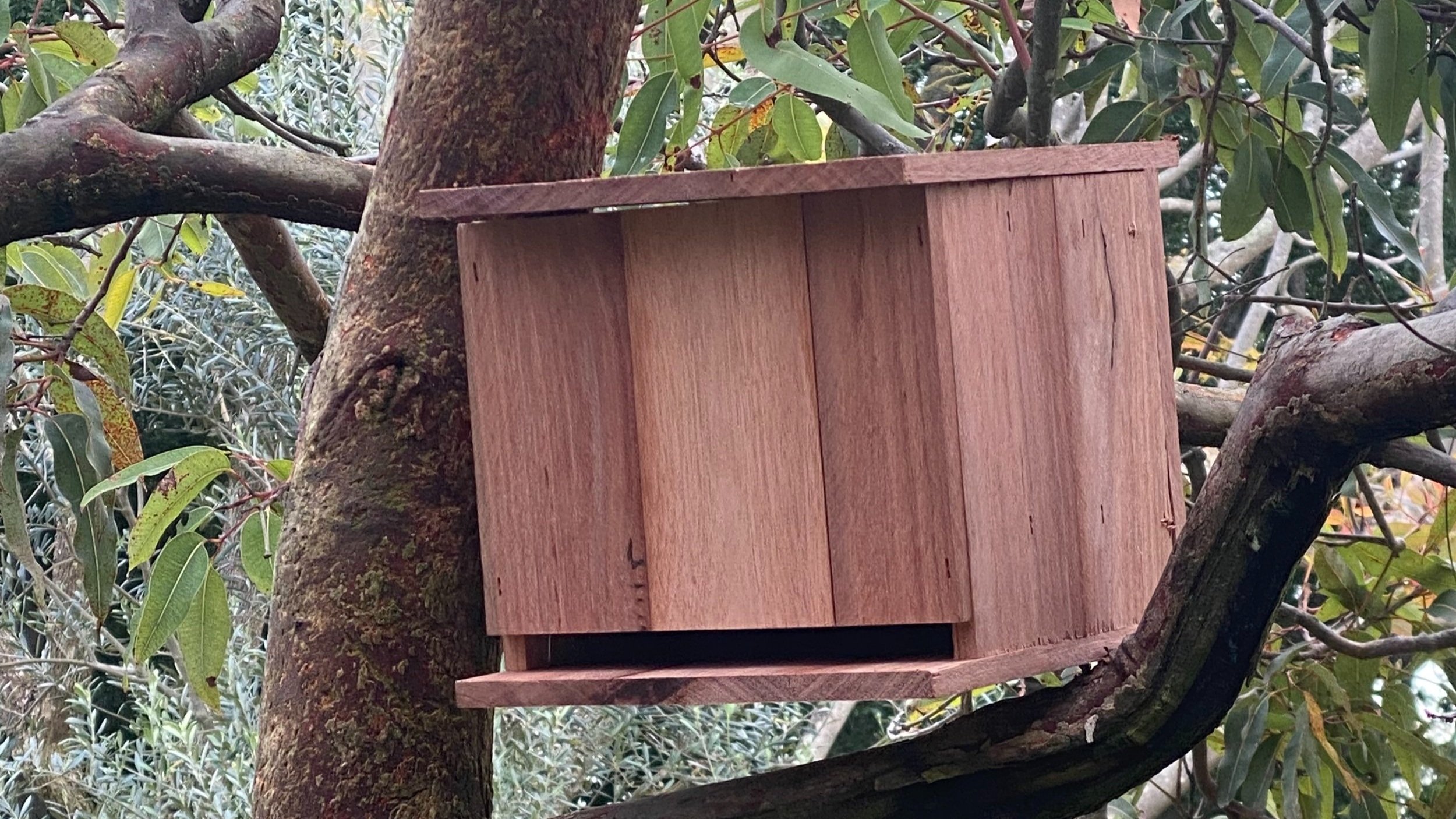
The B&B Highway exists due to collaborations and partnerships, academic expertise and grassroots knowledge and actions. PlantingSeeds’ current microbat nesting box program is a positive case study in these partnerships. The construction of the nesting boxes and other items for the 2021 Responsible Wood PlantingSeeds’ Nesting Box Project has involved many individuals and organisations. The Community Timber Partnerships program which provided the timber and its transportation to Sydney to allow construction brings together the Forestry Corporation NSW, Pentarch Forestry and Planet Ark’s Make it Wood Campaign. And special thanks to Tim Liston from Forestry Corporation NSW and the Cumberland State…
-
The National School Citizen Science B&B BioBlitz Is Coming!
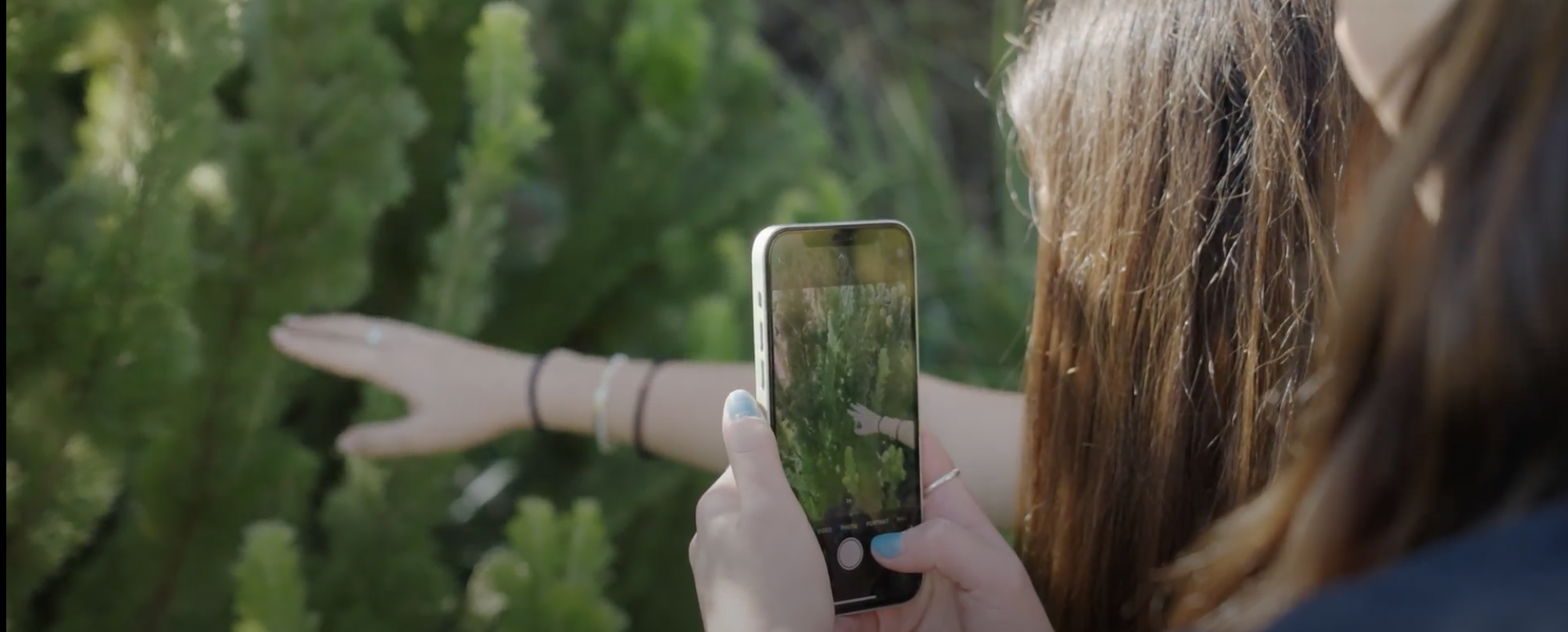
PlantingSeeds’ national school citizen science B&B BioBlitz in September’s National Biodiversity Month aims to engage students and teachers in this growing public science movement and contribute much-needed biodiversity data to the CSIRO’s Atlas of Living Australia (ALA). The inaugural B&B BioBlitz, which aims to capture observations of pollinators and plants, is steered by environmental organisation PlantingSeeds Projects with the support of the Department of Education and the CSIRO’s ALA. The citizen science project is responding to calls by scientific and environmental bodies such as the Office of the Chief Scientist and reports such as the recent Australian State of the…
-
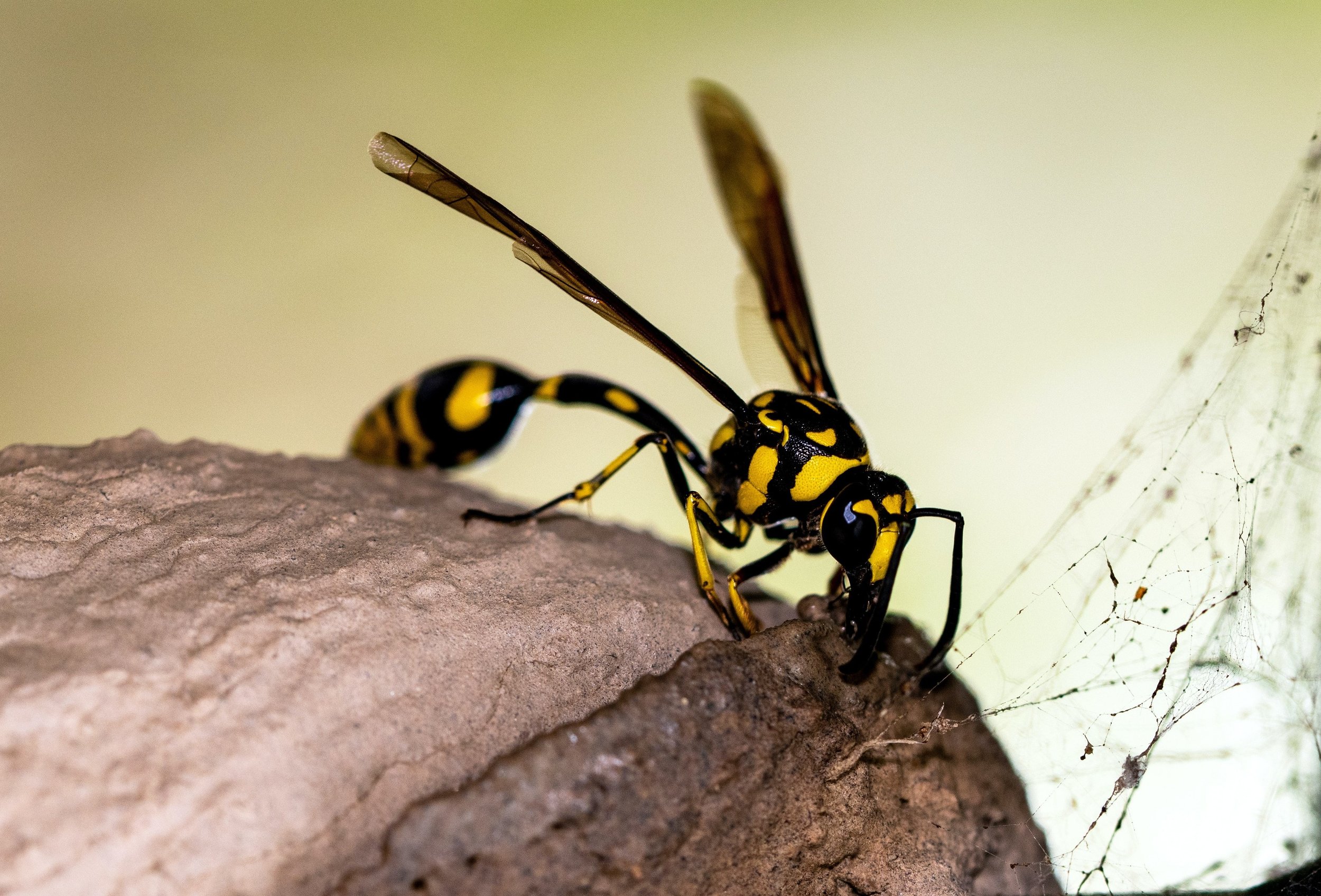
Pollinator Pitch: Why Flies, Wasps And Bats Should Get A Good Rap
Firstly, our pollinator position: there are not really any ‘bad’ pollinators. Pollinators help humans and our ecosystems in unseen and under-valued ways. They help deliver delicious and nutritious food to our tables, assist in purifying water and air and are an important part of the food chain. So we thought it was opportune to present a pollinator pitch for some of the unloved pollinator heroes that get a bad rap. All pollinators just do what they do to survive, not with any form of malice or malevolence. It is just that they have adaptations to survive that give them frustrating…
-
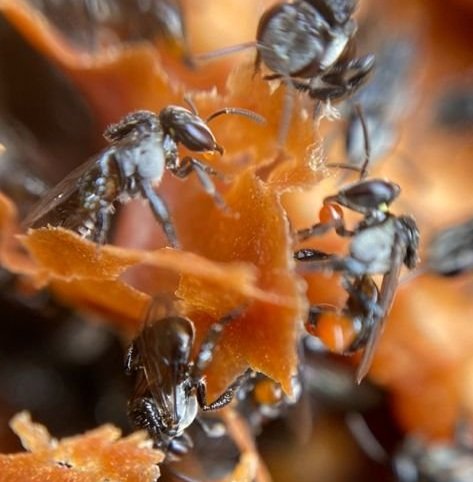
Native Bees Flying High In Latest Biosecurity Emergency
The recent arrival of the Varroa destructor mite in this country – a mite which feeds and reproduces on honeybee larvae and pupae causing deformities and transmitting viruses – has shone the spotlight on how a lack of biodiversity can lead to what is now being called an ‘emergency’ and the number one threat for Australia’s bee industry. It also affirms how native bees and other native pollinators – supported by PlantingSeeds’ B&B Highway – need to be encouraged and championed to support local ecosystems and biodiversity. As reported on ABC Rural, farmers who have ensured native bee populations are…
-
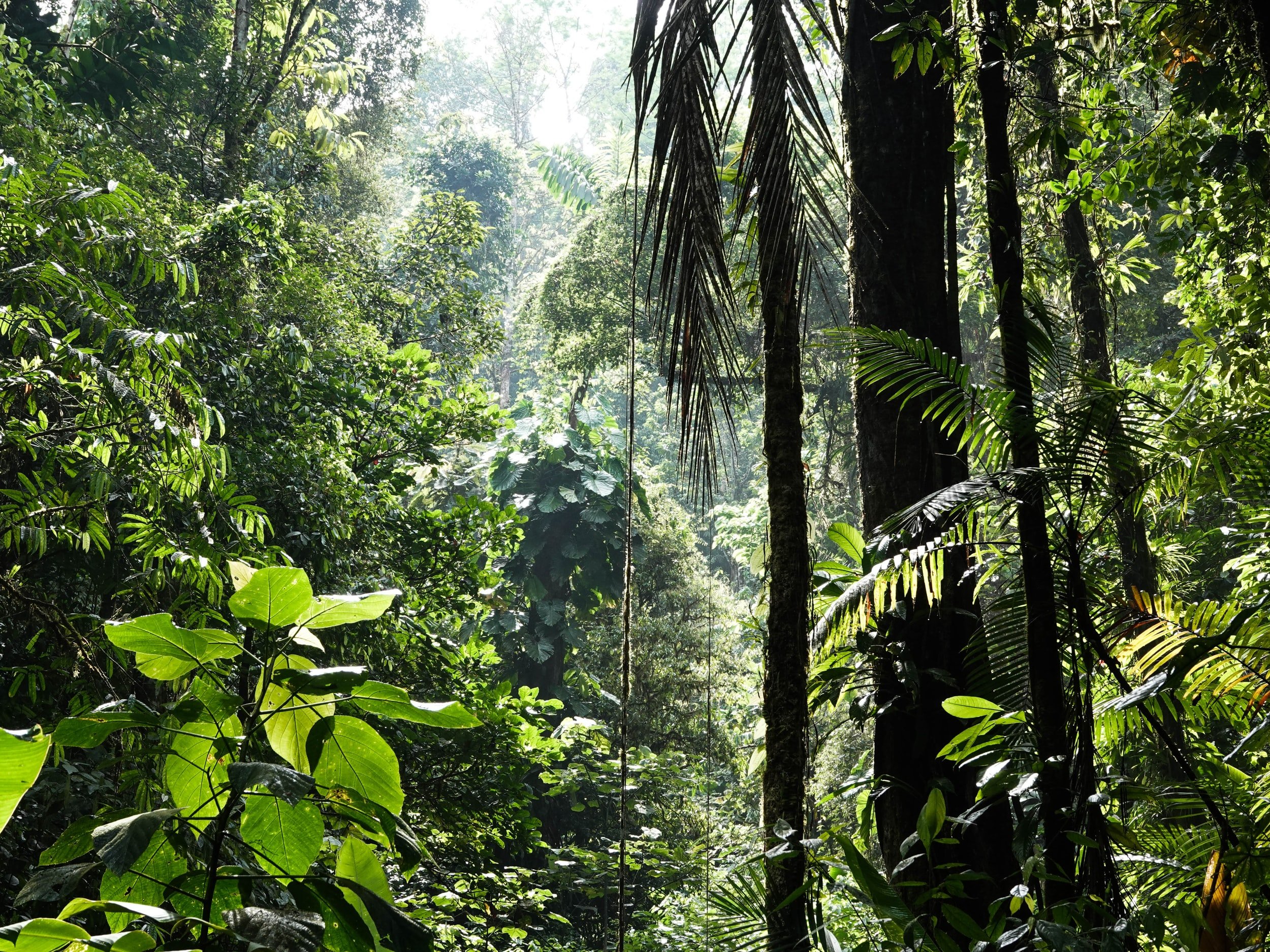
Solitary Bees, Sundew And Slime Mold - Surreal Examples Of Biodiversity
Here are Planting Seeds, we want to protect all of our biodiversity. We even want to protect bugs like wasps, which are notoriously disliked, because they are also vital to our ecosystem. Ecosystems are highly connected networks, where one organism can have ripple effects that impact everything, from the more common ones to the very surreal. And Australia has a LOT of surreal biodiversity. Arguably, we have the most surreal nature, as we contain the largest amount of endemic creatures. Endemic species is just the fancy, scientific term to describe a living thing that can only be found in a…