Articles
B&B Highway
-
Spring into Learning: Native Plants, Bush Tucker, and Connection
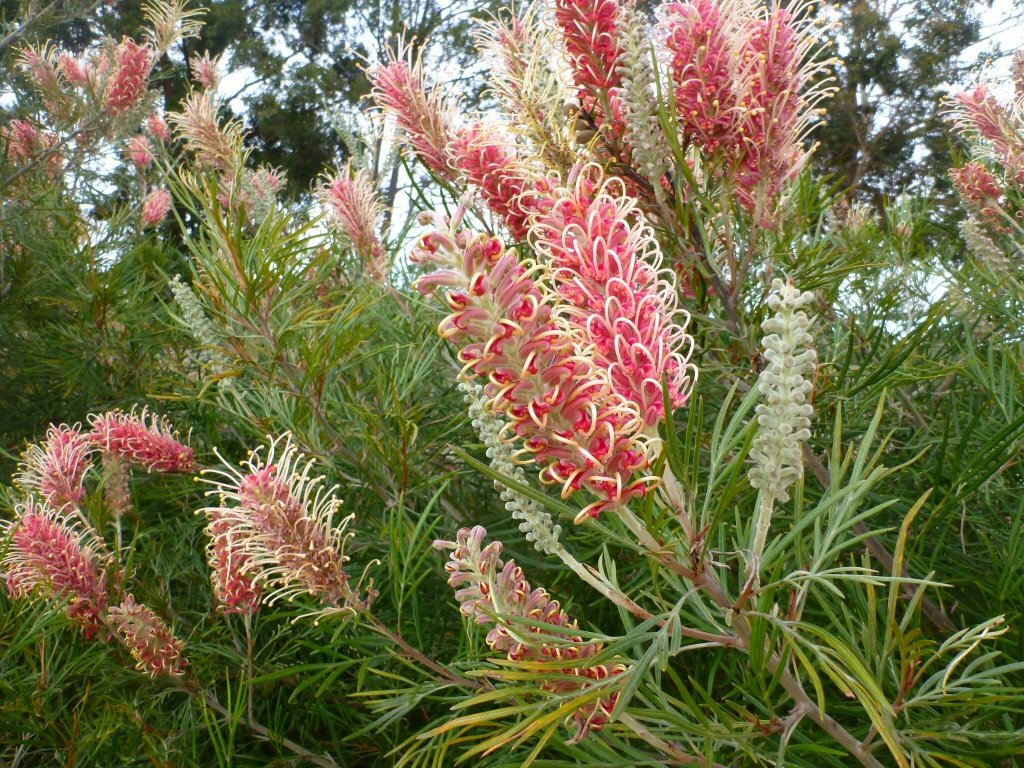
Here in Australia, our native flora offers a chance to reconnect with Country, culture, and biodiversity. And many native plants are also used for culinary purposes and are described as bush tucker or bush foods. Whether in a school, home or workplace, creating a bush tucker garden is a fun, interactive way to learn. An estimated 5,000 species of native food were used by Indigenous Australians. First Nations peoples learnt which ones were safe to eat raw, and which ones needed to be cooked. With research finding many of these bush tucker plants are packed with vitamins and antioxidants and…
-
Uncommon Pollinators
Self, wind and water pollination: The Hidden World of Autogamy, Anemophily, and Hydrophily Conversations on pollination are almost always centred around bees, birds, or butterflies, but what about less common forms of pollination? Did you know that there are self-pollinating plants? Or that wind and water can be pollinators too? About 10 to 15 per cent of flowering plants are mainly self-pollinated, around 12 per cent of plants are wind pollinated, and only two per cent are pollinated through water. Although these methods of reproduction make up a small part of pollination as a whole, the unique part they play…
-
A Conversation with PlantingSeeds’ Artist-in-Residence Elyssa Sykes-Smith
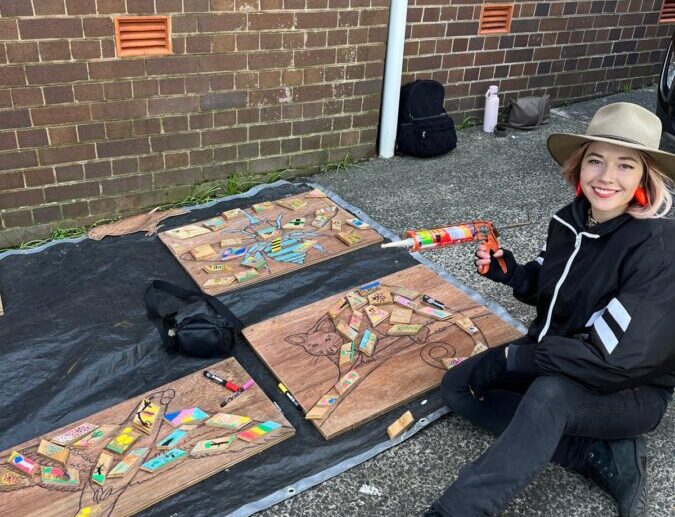
Enriching our programs and impact, PlantingSeeds welcomes our new multi-award winning Artist-in-Residence Elyssa-Sykes Smith. Elyssa is an interprofessional artist working across sculpture, installation, performance, socially-engaged projects, education, and health research. With an upcoming sculpture at Sydney’s prestigious Sculpture by the Sea, Bondi, Elyssa is in demand and those who experience and engage with her PlantingSeeds’ works no doubt sense her expertise, passion and creativity. School children at Sydney’s McAuley Catholic Primary School in Rose Bay recently engaged in an interactive artwork that Elyssa inspired and set up for World Bee Day. Supported by a materials grant from Responsible Wood, an organisation…
-
The real buzz about bees
Bees and buzzing are common bed-fellows but only a select few species of bees are buzz pollinators. And studies reveal that the buzzing reverberating nature of buzz pollinators is integral to the reproduction of native plants and in some cases, food plants. Australian buzz pollinators have also been found to have special abilities and lead the world in buzzing frequencies – also in head banging, but more about that later. So what is the buzz? Buzz pollination involves a specialised process where pollen is released from the anther of a flower via vibrations created by a small number of bee…
-
Update on Varroa Mite Article
Draft 3Verses the Varroa In June 2022, the arrival of a tiny mite in Australia marked a pivotal moment for the nation’s honey bee producers. The Varroa destructor mite, present in every other country except Australia until then, was detected in New South Wales, sparking concerns among farmers and beekeepers nationwide. Understanding the Threat The Varroa mite, a minuscule red-brown parasite, poses a significant threat to honey bee populations and the pollination services they provide. Known for preying on honey bee larvae and pupae, these mites not only deform developing bees but also transmit various viruses. The implications are profound,…
-
Bees' knees
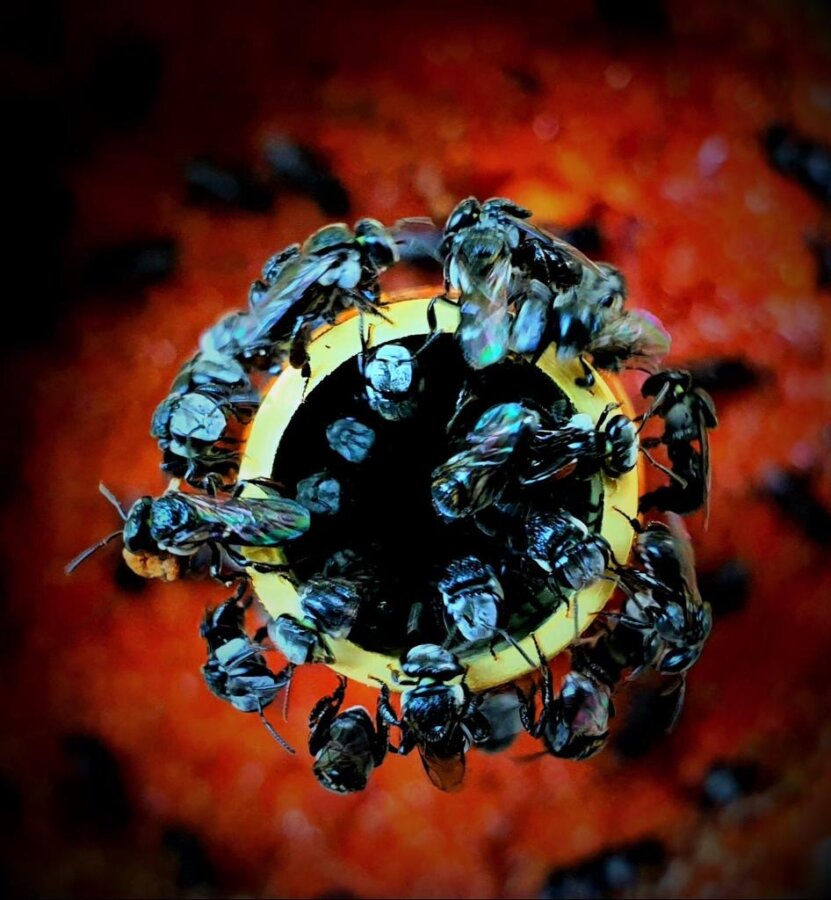
You know you have made it when there is a global day named after you. So bees should be happy with the annual World Bee Day that falls on May 20th around the world. PlantingSeeds is also appreciative of the fact that the NSW Department of Education focused on our B&B Highway initiative for World Bee Day with a special video produced on our contributions and reach. With comments from kids and a special interview with our founder, Dr Judy Friedlander we recommend you watch it here. We, at PlantingSeeds Projects, are often known for bees and our B&B…