Articles
B&B Highway
-
Celebrating Insects
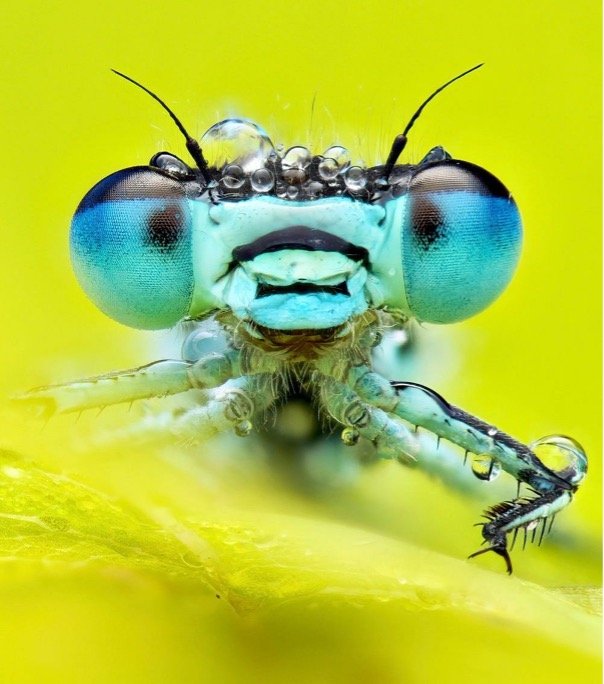
It stands to reason. Any insect with five eyes should command our respect (take a close look at bees). And seeing the tiny gossamer wings of a butterfly is definitely awe-inspiring. As we learn more about insects and the roles they play in their lives, they share more of the spotlight. As one of the judges of the recent UK Royal Entomological Society Insect Week photo competition said recently: ‘Each year this competition becomes more difficult to judge as the standard of amateur insect photography continues to improve… Interest in insects, in all their fascinating glory, is increasing,’ said Tim…
-
International Day Of Biological Diversity
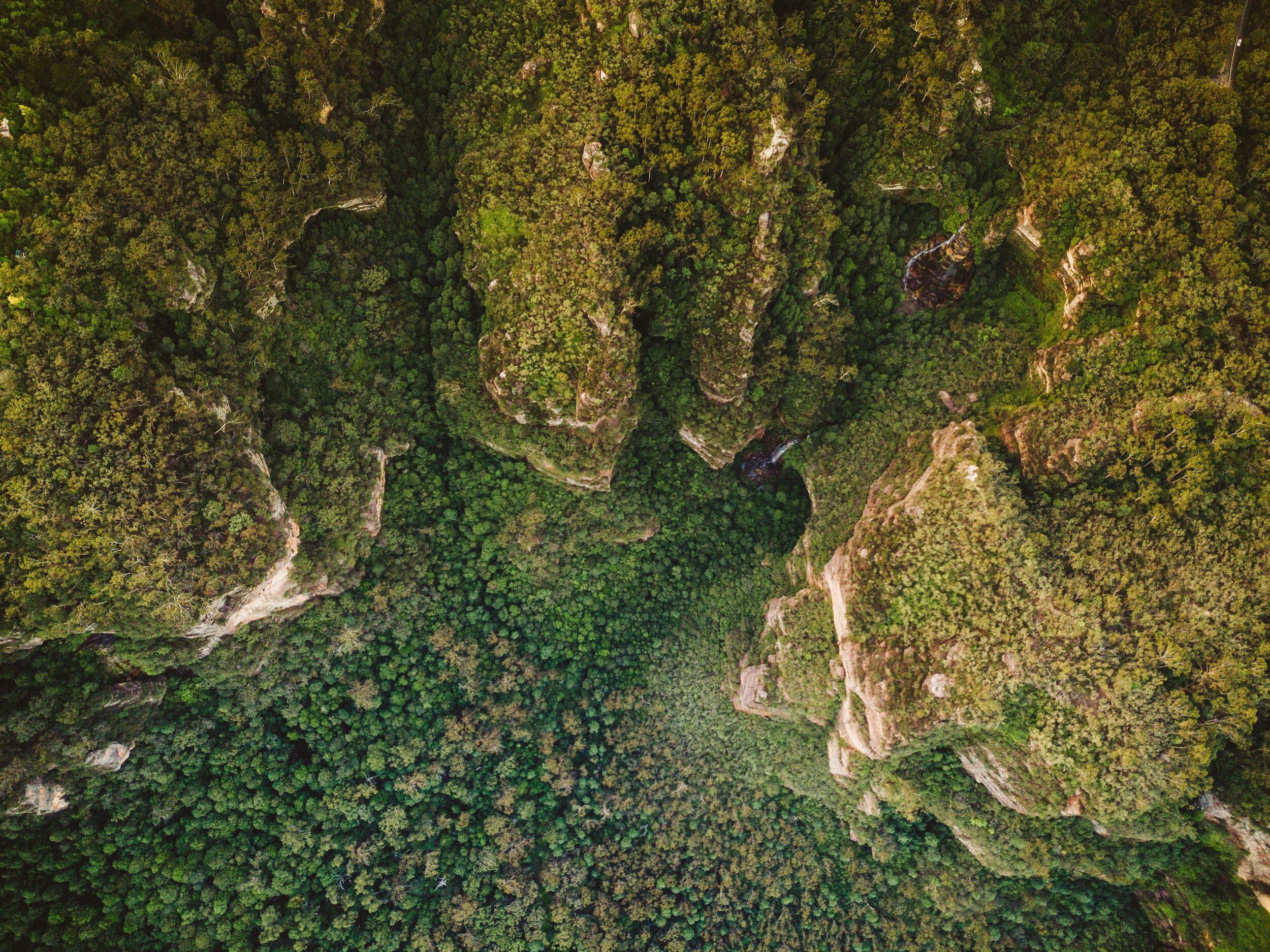
The theme of this year’s International Day of Biological Diversity aims to walk the talk – something PlantingSeeds does in abundance. The theme – ‘From Agreement to Action: Build Back Biodiversity – focuses attention on how we can help – beyond the dialogue. Australia is classed as a ‘megadiverse’ region – along with 17 other countries. It makes up less than 10 per cent of the earth’s surface but supports over 70 pc of the world’s biodiversity. Many of Australia’s species are endemic, with 85 pc of flowering plants, 85 pc of mammals and 45 pc of birds occurring nowhere…
-
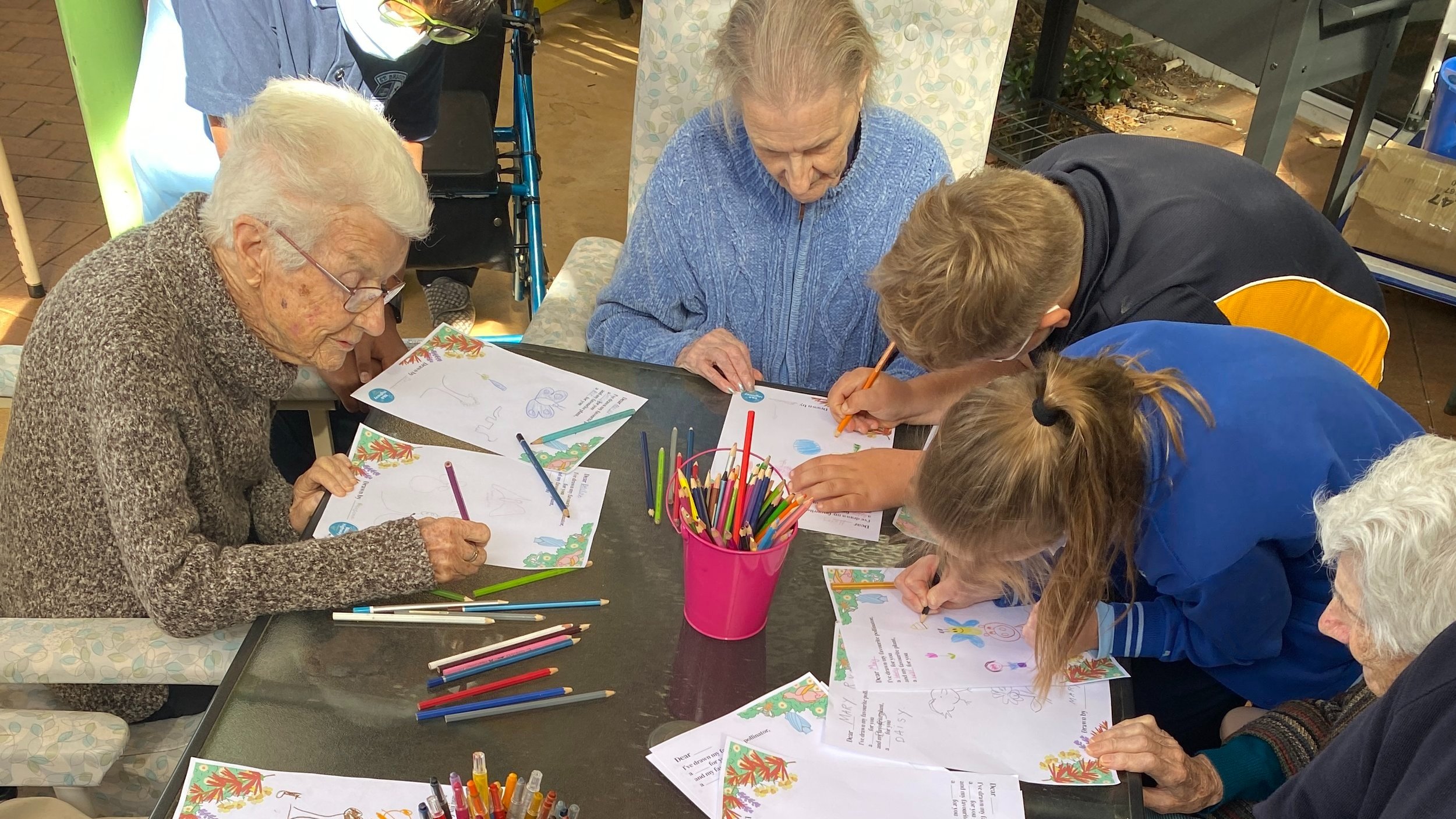
Intergenerational Regeneration
A ground-breaking new application of the multi-State biodiversity B&B Highway project is bringing seniors and school students together. Based in Mordialloc in Victoria’s City of Kingston, the inter-generational program, featuring school students from St Brigid’s Catholic Primary School and seniors from Mercy Place Nixon Residential Aged Care, is supporting generations and regeneration. PlantingSeeds’ B&B Highway – Bed and Breakfasts for Birds, Bees and Biodiversity – educational and practical program has been implemented in over 120 schools in three States and is supported by the Department of Education and the CSIRO’s Atlas of Living Australia. B&Bs join together to form regenerative…
-
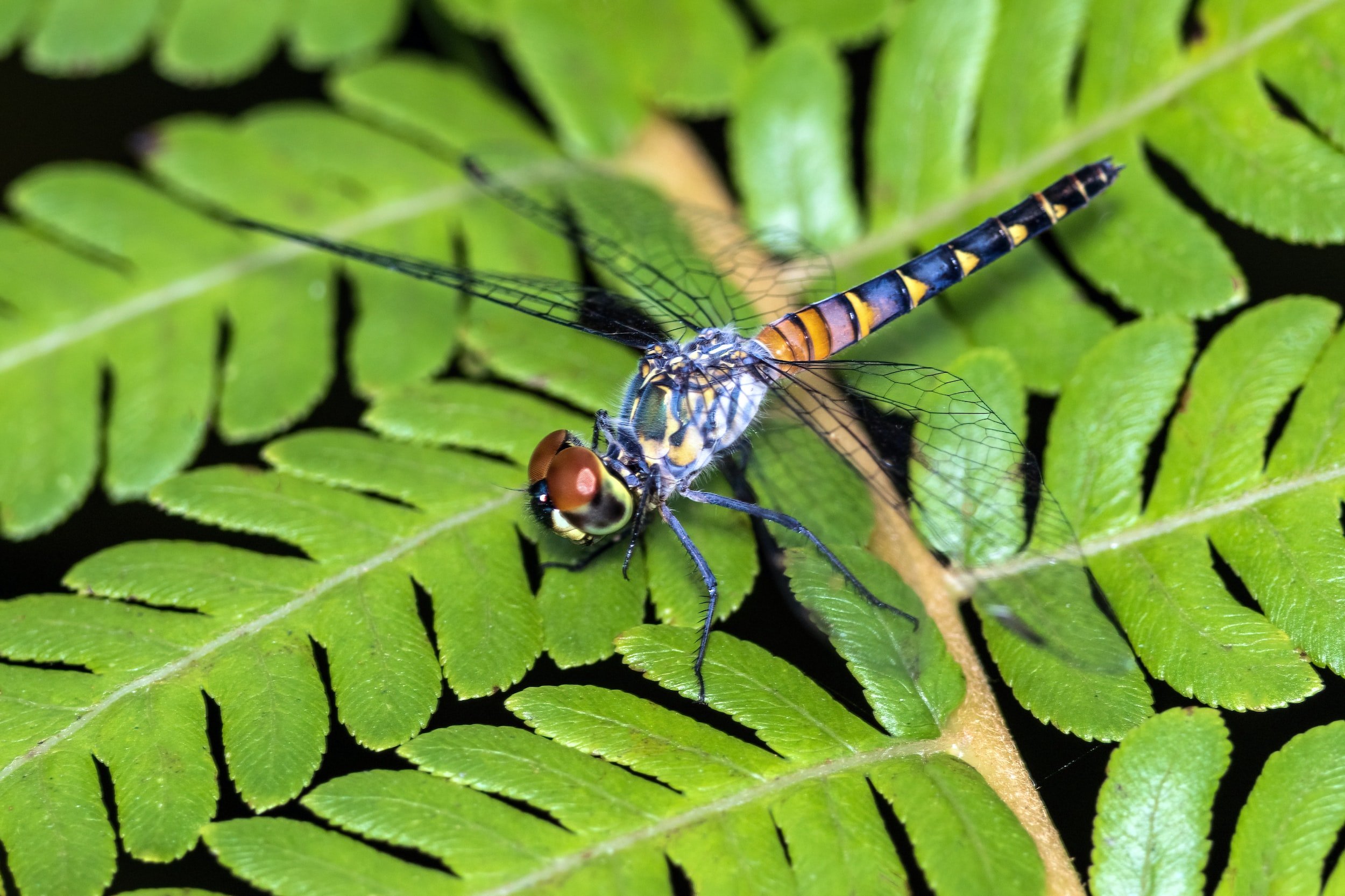
Putting Insects On The Political Agenda
‘The truth is that we need invertebrates but they don't need us.’ An important quote from the famous American naturalist and ecologist, Edward O. Wilson, from his article ‘The Little Things That Run the World’, published in Conservation Biology in 1987. Wilson went on to say: ‘If human beings were to disappear tomorrow, the world would go on with little change. [...]. But if invertebrates were to disappear, I doubt that the human species could last more than a few months… Within a few decades the world would return to the state of a billion years ago, composed primarily of bacteria, algae, and a few other…
-
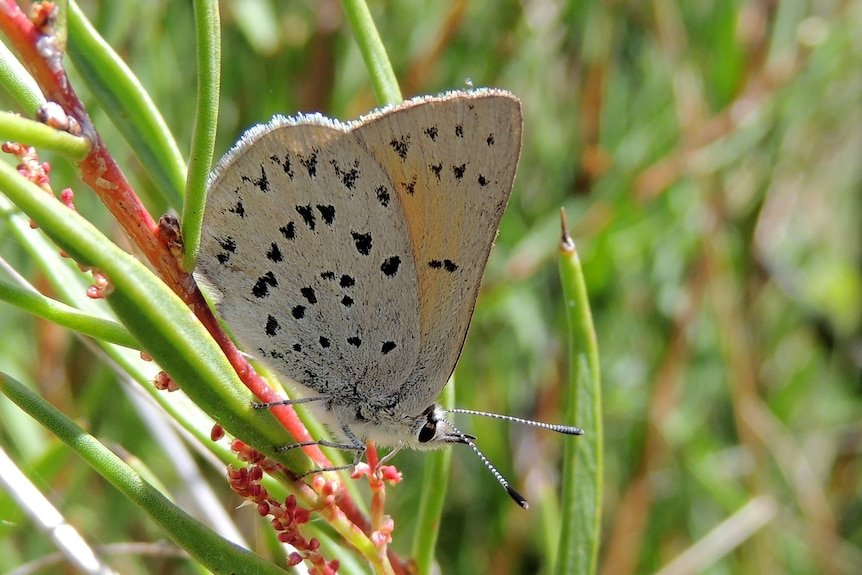
New Australian Butterfly Discovery
For all those budding B&B Highway biologists – the discovery last week of a completely new species of Australian butterfly makes the heart go flutter! Taxonomists – that unique species of human beings who identify and name new organisms – are not the only ones to be excited by this new discovery. The identification of the spotted trident-blue butterfly – or cyprotides maculosus – shows that it is indeed possible to discover new species close to urban centres. The first new species of Australian butterfly to be discovered in eight years has been identified after it was first photographed in 2017. The spotted trident-blue…
-
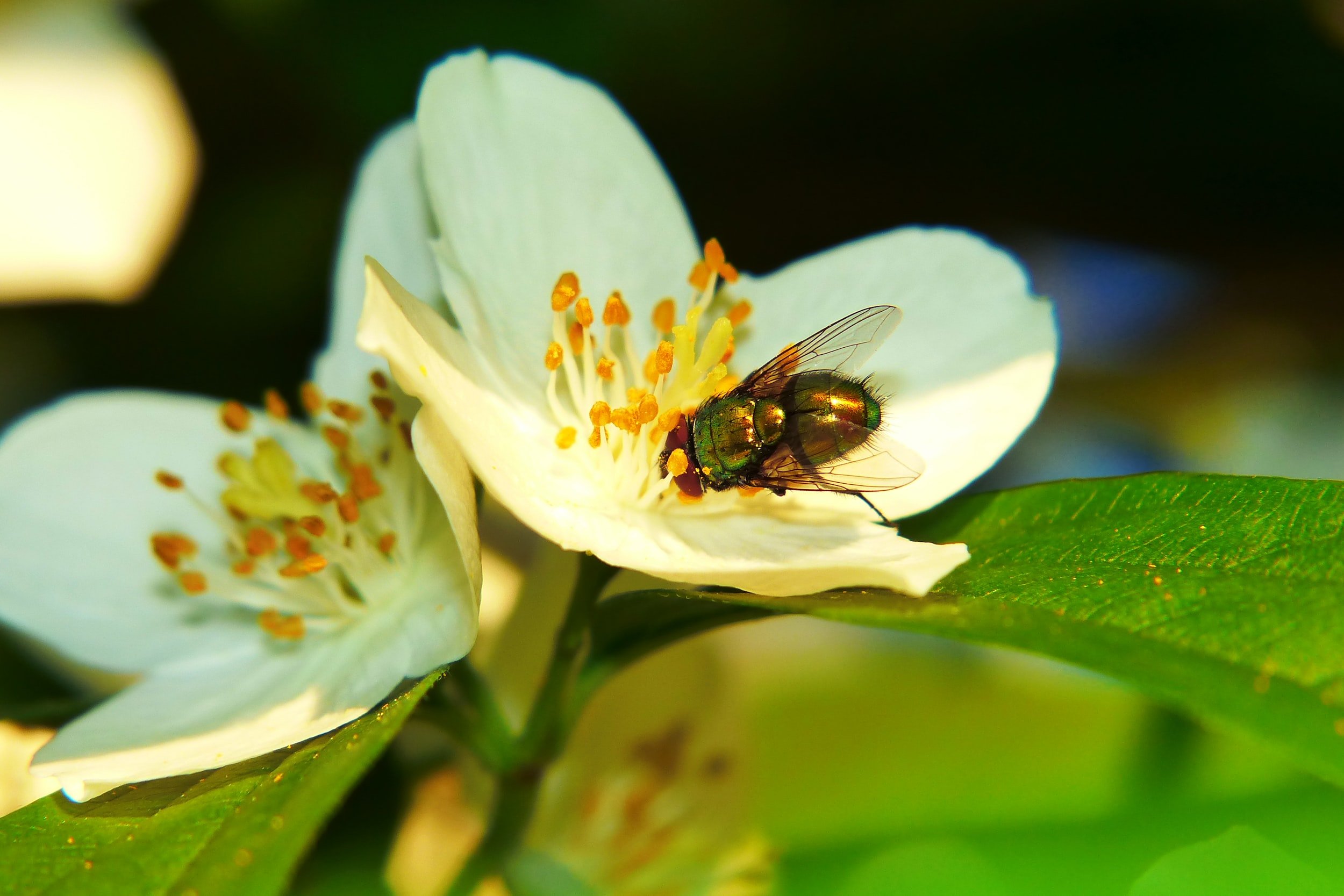
An Ode To Flies
From chocolate to mangoes, chillies and onions, the humble fly is key to many of our favourite food dishes. Now that many of you have bitten into that chocolate egg and bunny, say a thank-you to the midge and hover fly. Hover flies are second only to bees in their value as commercial pollinators. The pollinating role of flies is hugely important for the general health of a range of ecosystems, including agricultural ones. Of the 150 families of flies have been shown to feed from flowers and therefore in principle transmit pollen from one plant to another. It’s not…