Articles
B&B Highway
-
Pollen Nation - The Buzz from the Australian Native Bee Conference
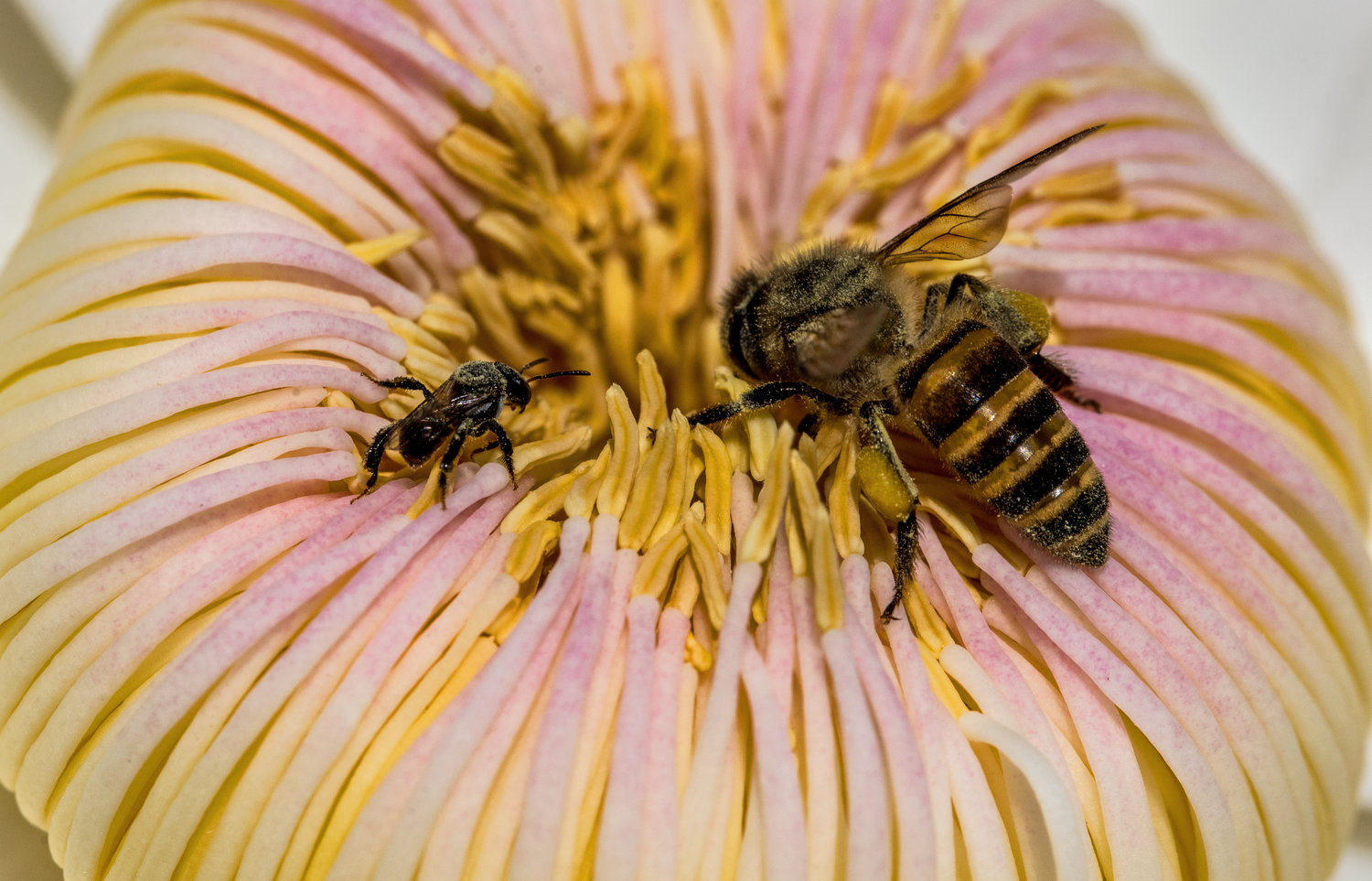
There was a real buzz in the air at the recent Australian Native Bee conference in Brisbane. Academics, farmers, educators, hobbyists and those purely and simply interested in bees were treated to presentations that showcased the latest research and developments relating to our pollinator friends. Radio station ABC Brisbane 612 featured our B & B Highway and the latest research on native bees in a special morning feature. As Professor Saul Cunningham from the Australian National University said on the show, researchers and environmentalists around world are now flocking to Australia to learn more about our native bees, which are…
-

As Bushfires Rage, We NEED To Talk About Climate Change
The eastern seaboard’s fires that are raging across New South Wales and Queensland this late Spring are definitely a ‘state of emergency’. Almost 600 schools closed on Tuesday, November 12th, So far, over 150 homes in NSW and at least 12 in Queensland have been destroyed, a growing number of people are missing or injured, and many more are at risk across both states. The scenes of devastation evoke emotional responses. Inevitable questions arise - Why is there such devastation? What can we do about it? How does climate change factor in to the equation? How and when do we…
-
Unlikely Pollinators and Where to Find Them
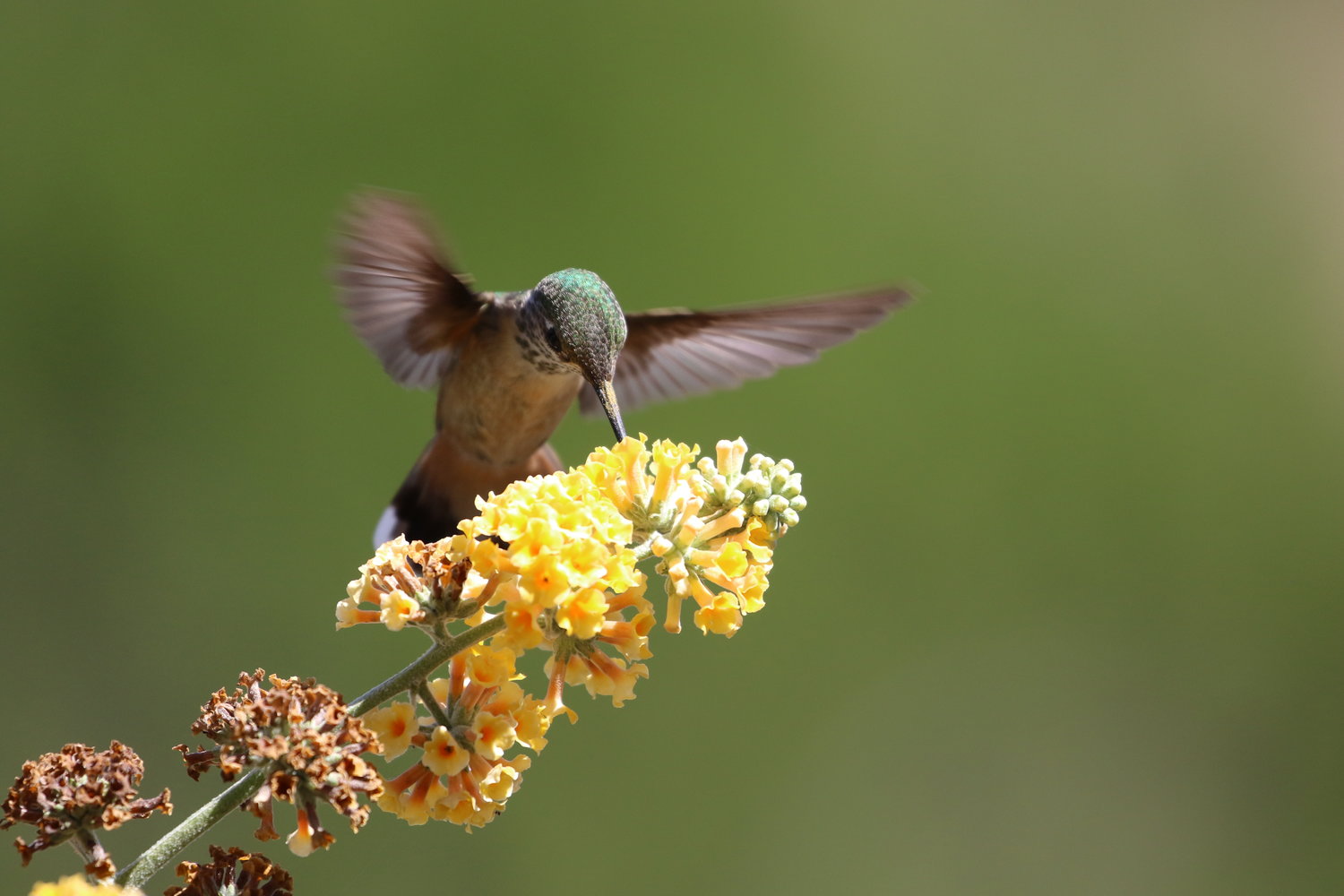
When we talk about pollinators, bees are probably the first thing that comes to mind. But there are so many others that play an important part in helping plants grow. In fact, at least 960 species of birds are pollinators, along with other insects, mammals, and even reptiles! Without pollinators, one third of our food crops wouldn’t be able to reproduce, along with many of the crops we use in textiles and medicine. Pollinators also improve the quality of a lot of our foods and food security, so they really are crucial for the environment and our way of life.…
-
The B & B Highway is coming to Ryde
We’re thrilled to announce that the B & B Highway is coming to Ryde! FoodFaith has won a My Community Grant Project, which will allow Ryde residents, young and old, to host the Sydney B & B Highway - an important airborne pollinator passageway that provides ‘bed and breakfasts for birds, bees and biodiversity’. We started this initiative in January this year with the support of the Institute for Sustainable Futures at the University of Technology Sydney. With 1 in 4 bites of food relying on pollinators and startling research from the UN that 40% of insect species could be…
-
Marine Permaculture: Is it the Answer?
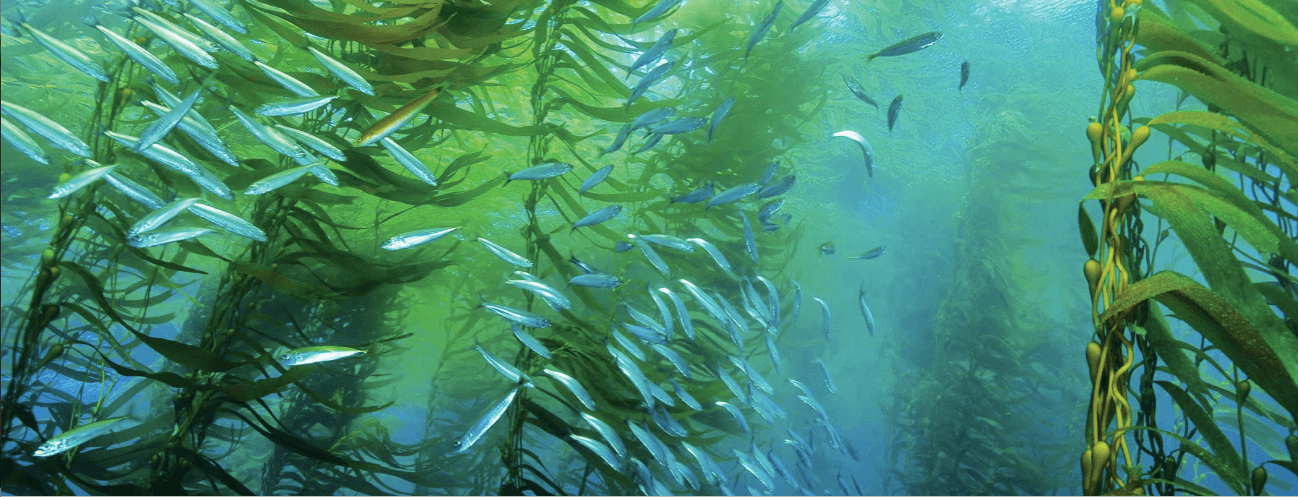
When picturing seaweed, days spent at the beach probably come to mind, swimming, only to feel something tickling your feet from the depths below. But seaweed and kelp are a lot more important for our oceans and may be more instrumental in saving our planet than they seem! Enter: Marine Permaculture, a wonderful way for us to increase our carbon handprint on our earth. The Climate Foundation describes handprints as innovations that can help our planet. Knowing this, the goal is to make our carbon handprints larger than our carbon footprints. But we hear you asking, what is Marine Permaculture?…
-
Making A Big Deal About Microplastics
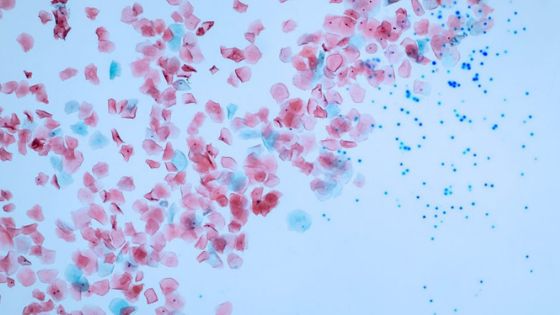
Whether it’s banning plastic straws or bringing a keep cup on next your coffee run, we’re becoming more aware of how much plastic we use and its impact on the environment around us. More recently, microplastics have become the next environmental issue, with research suggesting that these tiny pieces of plastic are now present in the ocean, soil, and animals. So, what are microplastics? Microplastics are tiny pieces of plastic that are anywhere from 5mm to 1 micrometre in size - that’s one-thousandth of a millimetre and the size of a single Y chromosome! Often, microplastics start out as larger…