
Articles
Biodiversity
-
Celebrating 2024’s National Schools’ BioBlitz Champion!
Eleven-year old Rocky D. from Melbourne’s northern suburbs is this year’s National Schools’ Citizen Science B&B BioBlitz Superstar! Posting almost 1,500 observations including birds such as a galah, a dusky moorhen and red-rumped parrot, plants such as the slender thistle, strawberry clover, golden wattle and ivy leaved violet, insects such as the plantain moth and the Australian emperor dragonfly, and numerous fungi such as the yellow navel and the mica cap, Rocky blitzed it completely! We wanted to showcase Rocky as he is such an inspiration! We chatted to Rocky about his experiences this year and why he enjoys citizen…
-
Pollinators Around the World
Since our team is composed of people from around the world who love travelling, we thought it would be fun to share the different pollinators they've spotted during their adventures. Monarch ButterflyDanaus plexippus Wisconsin, USA Monarch butterflies (Danaus plexippus), Wisconsin’s state butterfly, are a common sight in Southern Wisconsin from mid-May to late October. Known for their vibrant orange and black wings, Monarchs are most famous for their remarkable annual migration. Each Fall, they travel about 4,023 kilometres from Wisconsin to central Mexico to reach their wintering grounds (World Wildlife Fund). This migration is one of the longest insect journeys,…
-
Native Lawn Alternatives
In a previous article, we discussed the drawbacks of turf grass (PlantingSeeds). In this feature, we explore sustainable alternatives to traditional lawns. Maintaining a traditional grass lawn involves regular work and raises significant environmental issues. To achieve a particular aesthetic look, grass lawns require regular upkeep: mowing, fertilising, and consistent watering. This maintenance not only consumes time and resources, it contributes to pollution from lawn equipment, excessive water use, and chemical runoff from fertilisers. Buffalo grass (Bouteloua dactyloides), the grass most commonly found in Australian lawns, originates from Europe and North America. It is popular because of its high shade…
-
First up – First Nations
Supporting initiatives that care for Country PlantingSeeds Projects acknowledges and proudly supports First Nations peoples in Australia in their active pursuit of caring for Country. Here, we shine the spotlight on three organisations owned and run[JF1] [JM2] by First Nations peoples in Australia that are dedicated to sharing their knowledge and inviting others to learn more about caring for the species that share land, air and sea. Caring for Country is not just a ceremonial act but a holistic way of maintaining a healthy ecosystem and its associated biodiversity. The concept encourages a healthy supply of food, water, and shelter for…
-
The ABC’s of Aussie Bees
While sugarbag bees and Blue-banded bees are having their moment in the sun, there are many other unsung bee heroes flitting about in Australian landscapes pollinating and helping our environment. Most native bee species – in fact, over 99 per cent of them – are described as ‘solitary’, meaning they do not live in hives. However, they often ‘hang out’ together – or close to one another. With over 1700 native bee species having been identified - and experts saying there are more likely to be over 2000 species - we thought we would shine the spotlight on some of…
-
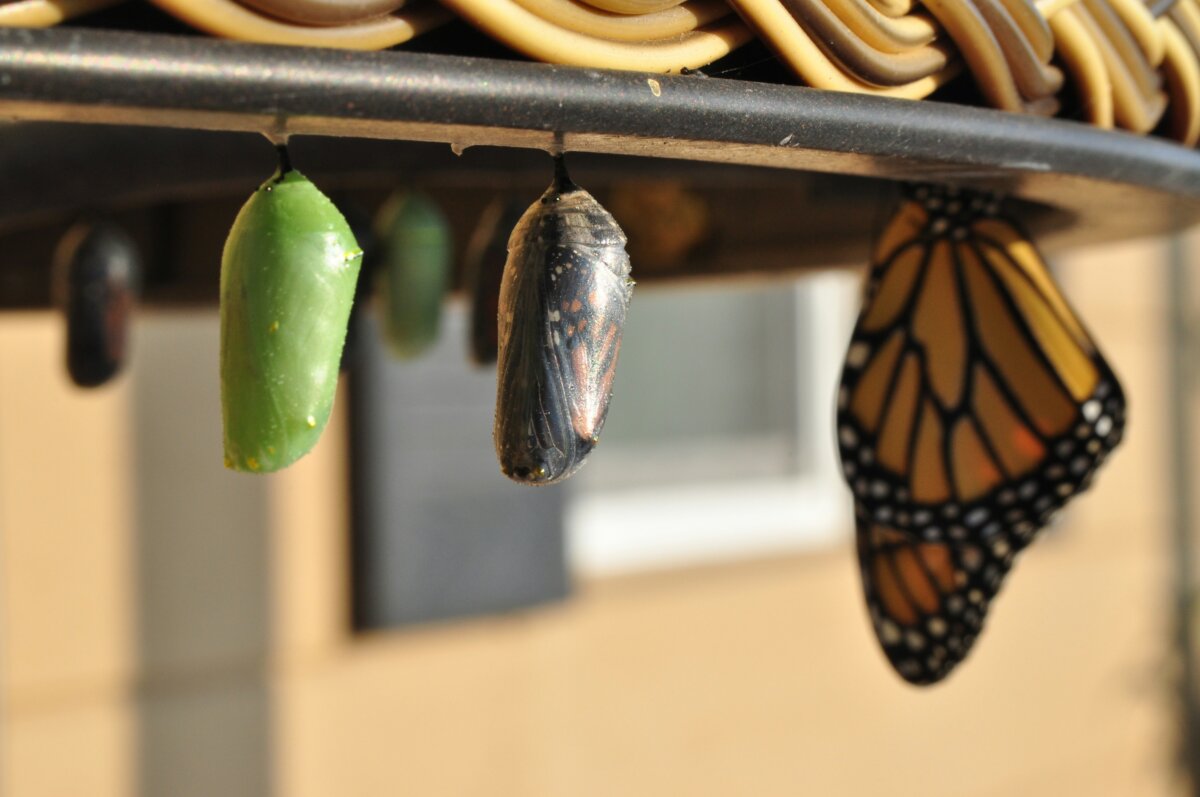
Metamorphosis: An ode to change agents
We know about the very hungry caterpillar who goes through a beautiful transformation after munching through a garden deli of delights. But do we know about the many other insect species that undergo this process of metamorphosis? In fact, more than 80 per cent of insect species and possibly around 60 per cent of all animals undergo metamorphosis. The inside story Metamorphosis is the process where an animal changes in its life growth with dramatic physical differences. Starting with an egg stage, it changes in a series of developments to become an adult. In the adult phase, many develop brand…