Articles
Biodiversity
-

Volunteer Power
Over one billion hours and counting… Volunteering plays a vital role in strengthening social, economic, and environmental well-being. According to the 2025 NSW State of Volunteering Report, an estimated 4.9 million residents contributed over 1.3 billion hours of volunteering, generating $31.9 billion in community benefits. For many people, volunteering offers a chance to step back from routines, reconnect with personal interests, and contribute to meaningful change. For others, it’s a chance to pick up a new hobby, develop skills, or discover career paths alongside like-minded people. No matter the reason, each volunteer brings a diverse skillset to the table that…
-
Celebrating Sustainably
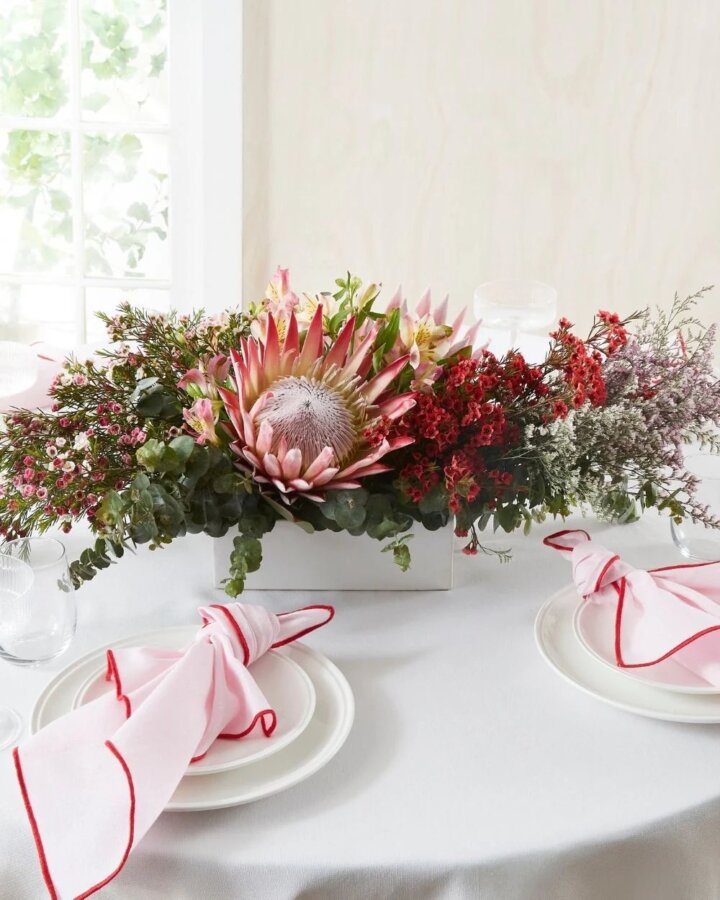
While it goes without saying that a sustainable festive season is in everyone’s – and the world’s – interests, we thought we would gather some fun and helpful tips for you. This adds to our excellent article published in 2021, where we reminded everyone to celebrate sustainably during the holiday season. Rule 1: Re-use! Whether it's an artificial pre-lit Christmas tree you bought online five years ago, or a clay ornament your baby cousin made at daycare, re-using decorations is the most sustainable (and cost-effective) way to adorn your home for the season. Through re-use, waste is reduced and energy…
-
NATURE JOURNALING
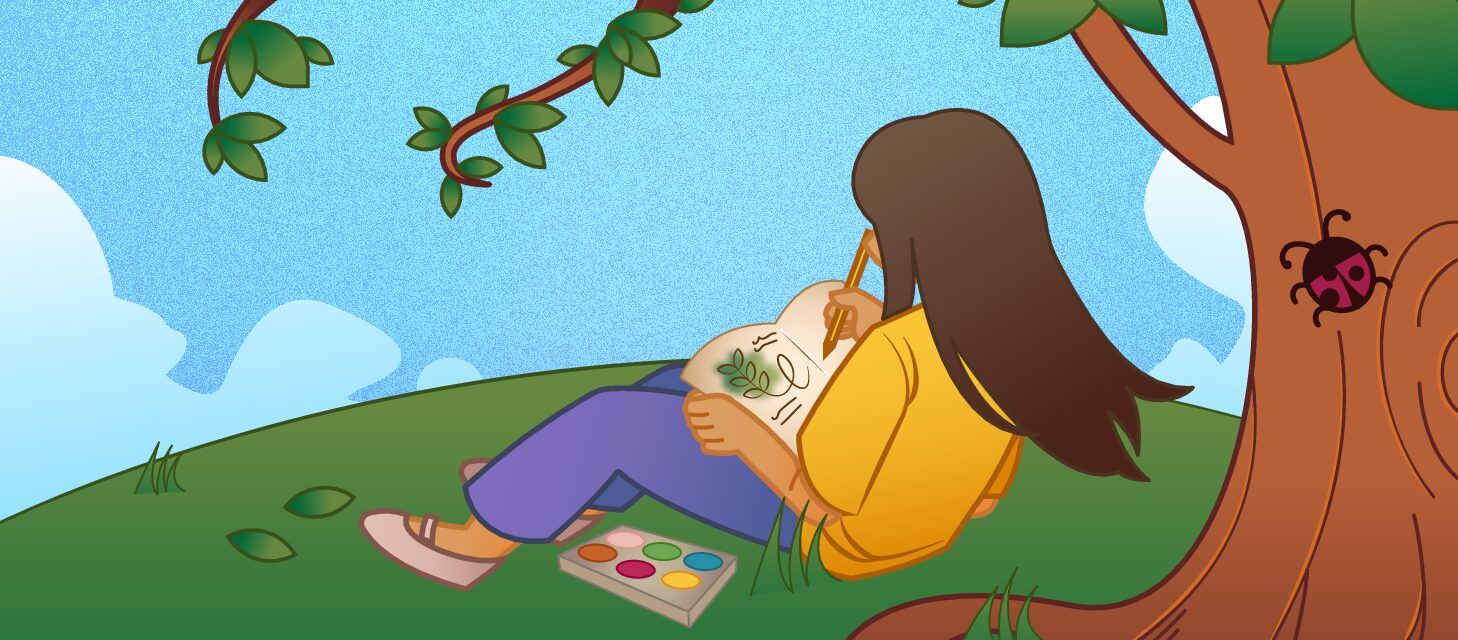
Nature journaling is having its moment in the sun. This is not surprising as the practice is even attracting academic research due to its ability to mitigate social isolation among older adults and foster a deeper sense of awareness of the natural world for younger generations. There’s plenty of evidence that shows that connecting with nature calms minds and makes people happier and healthier. Keeping a nature journal helps us to focus on the world around us and provides a direct connection with our fellow species. It’s something you can do on your own or with a group of classmates…
-
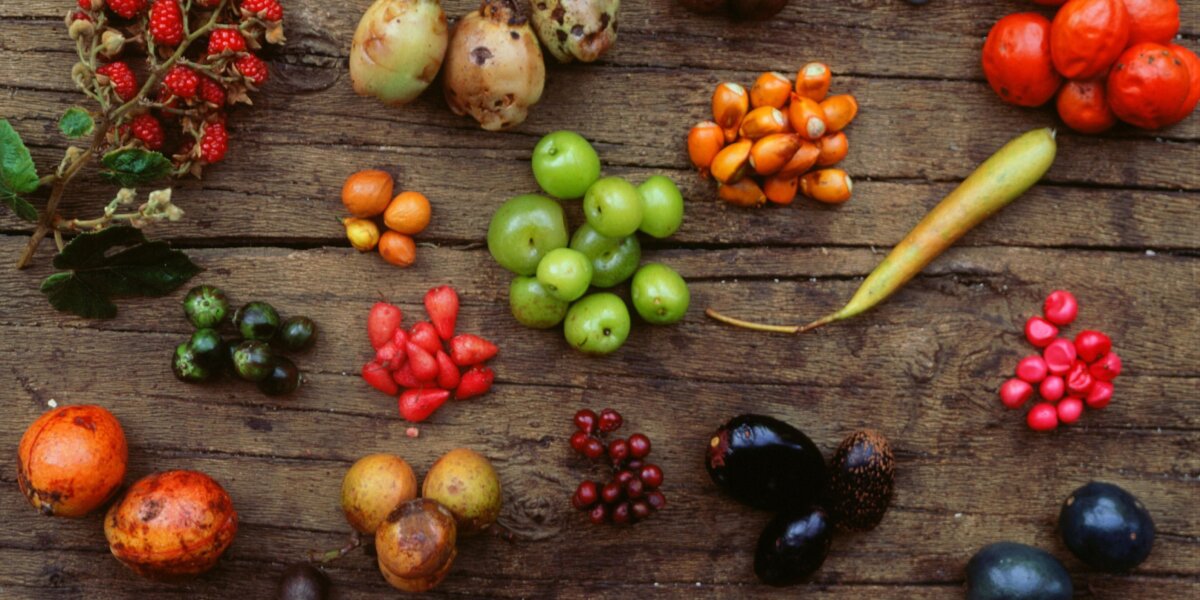
Indigenous Sovereignty in Native Australian Agriculture
Most of us can name one edible native Australian plant – the macadamia. But did you know that the macadamia has several Indigenous Australian native names, including Boombera, Jindilli (or Jindill), Kindal Kindal, Bauple (or Bopple), Gyndl, and Gumbar? What is not always obvious to consumers of native foods – aka ‘bush tucker’ or ‘bush foods’ – however, is that every bite holds tens of thousands of years of culinary history, spiritual lore and cultural significance to Indigenous Australian peoples. While referring to edible natives as bushfood or bush tucker is not generally expressed as a discourteous term, Chris Andrews, who…
-
The soil soul cycle
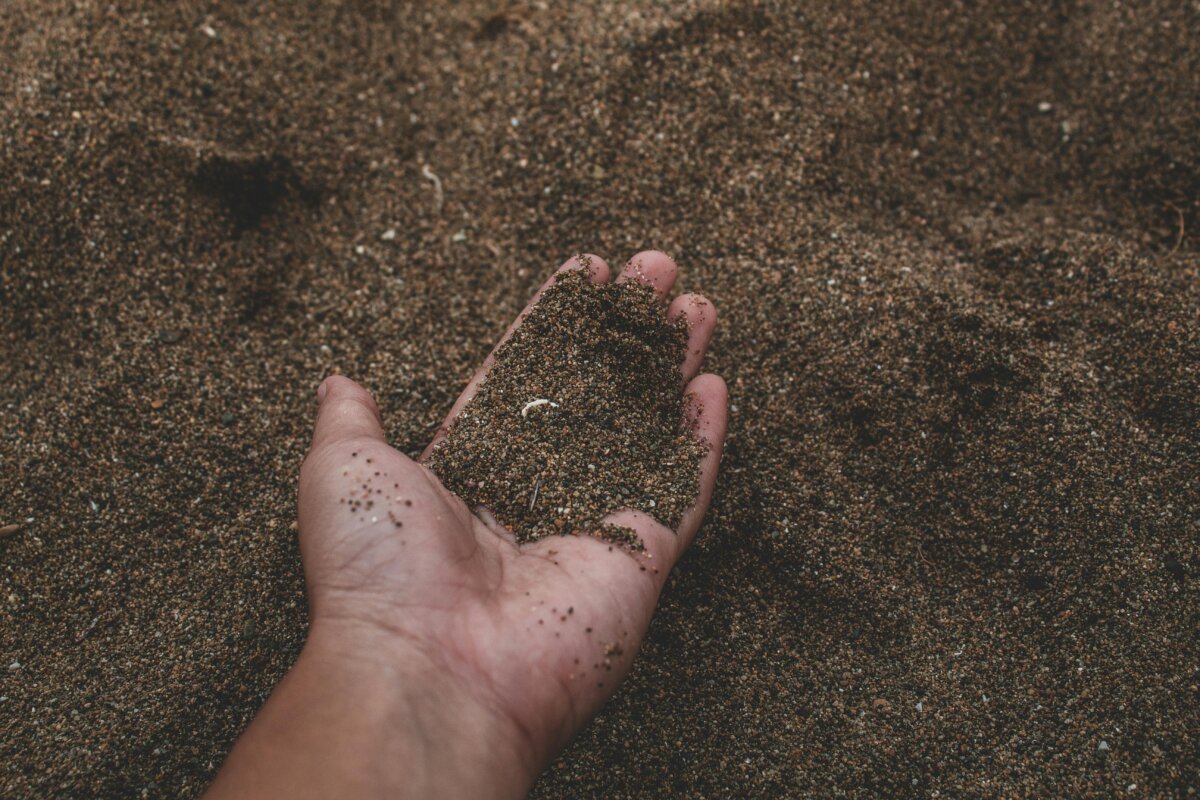
According to The UK Centre for Ecology and Hydrology, just one teaspoon of soil contains approximately one billion individual microorganisms. This is equivalent to one eighth of the planet’s entire human population. Leading researchers indicate that these microorganisms are having significant impacts on our health and wellbeing. In a global assessment published by the Food and Agriculture Organization of the United Nations (2021), it was reported that ‘soil is the key link in the functioning of ecosystems’, with soils having a considerable impact on ‘the quality of the food we eat, the water we drink, and the air we breathe’.…
-
Let's Split
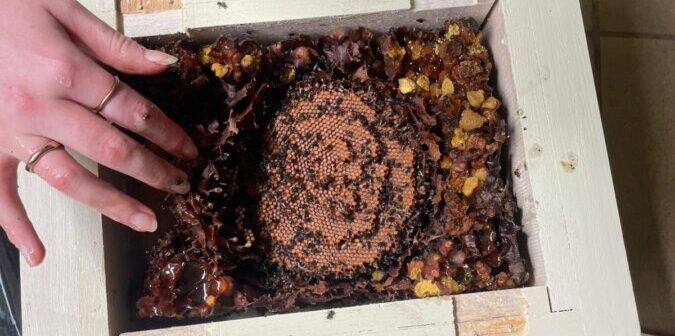
One of the most awe-inspiring activities we do at PlantingSeeds is to split native bee Tetragonula carbonaria (Tc) hives every 18 months to two years. This is to provide hives of this extraordinary bee to schools on the B&B Highway – a way of paying it forward. We have been fortunate this year to have received ‘splitting’ help from native bee researchers from the BEE lab at the University of Sydney. The BEE lab explores topics related to bees, including evolution, pollination, and microbiology, and they hope that their new relationship with PlantingSeeds will provide them with more data to…