Articles
Citizen Science
-
Seeing the big picture: The forests, trees and invertebrates
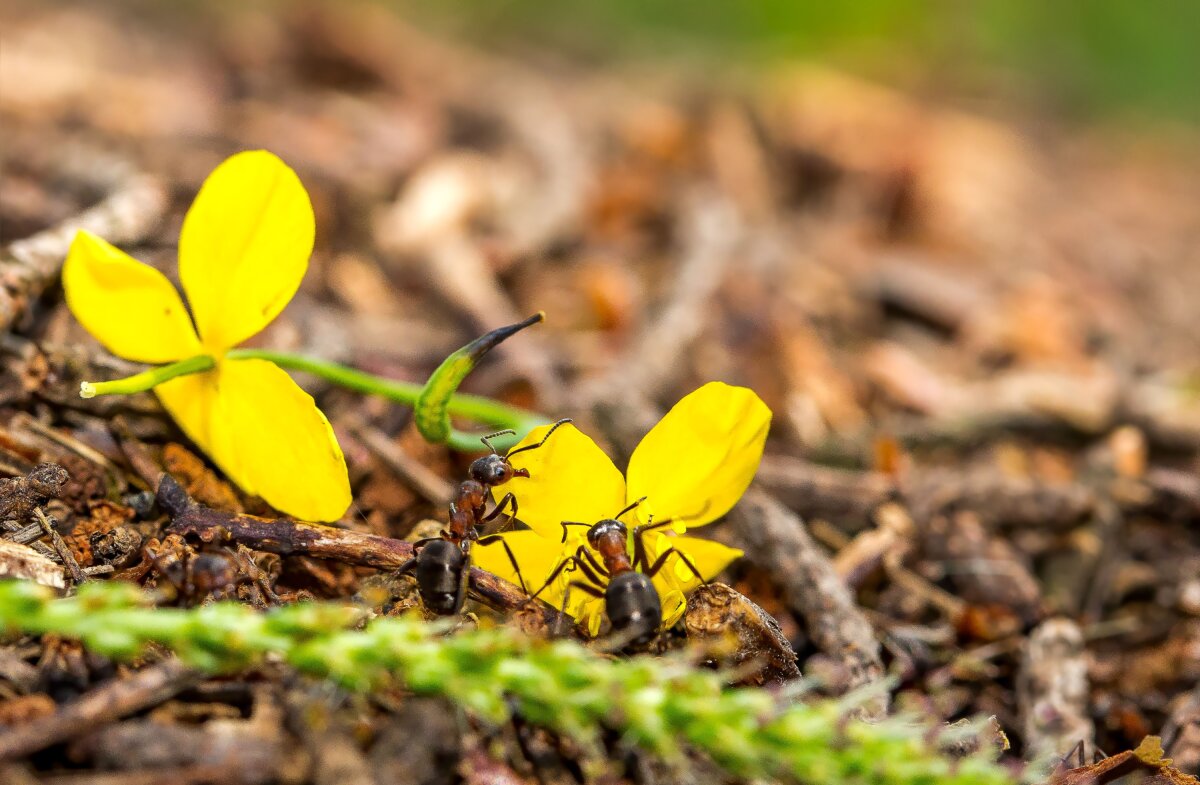
They are the most diversified animal group on the planet. They are key ecosystem engineers - even with their small size. They include insects, snails, earthworms, millipedes and even spiders, and have been called “the little things that run the world" (Wilson, 1987). They are the invertebrates! These tiny creatures have a very long evolutionary history and make up 95 to 97 per cent of known animals. So as these “little things that run the world”, what exactly do they do to help Earth and humans alike? Kotze (2022) states that key truths can be found in the forests. Some…
-
Landmark UN ruling a ‘powerful affirmation’
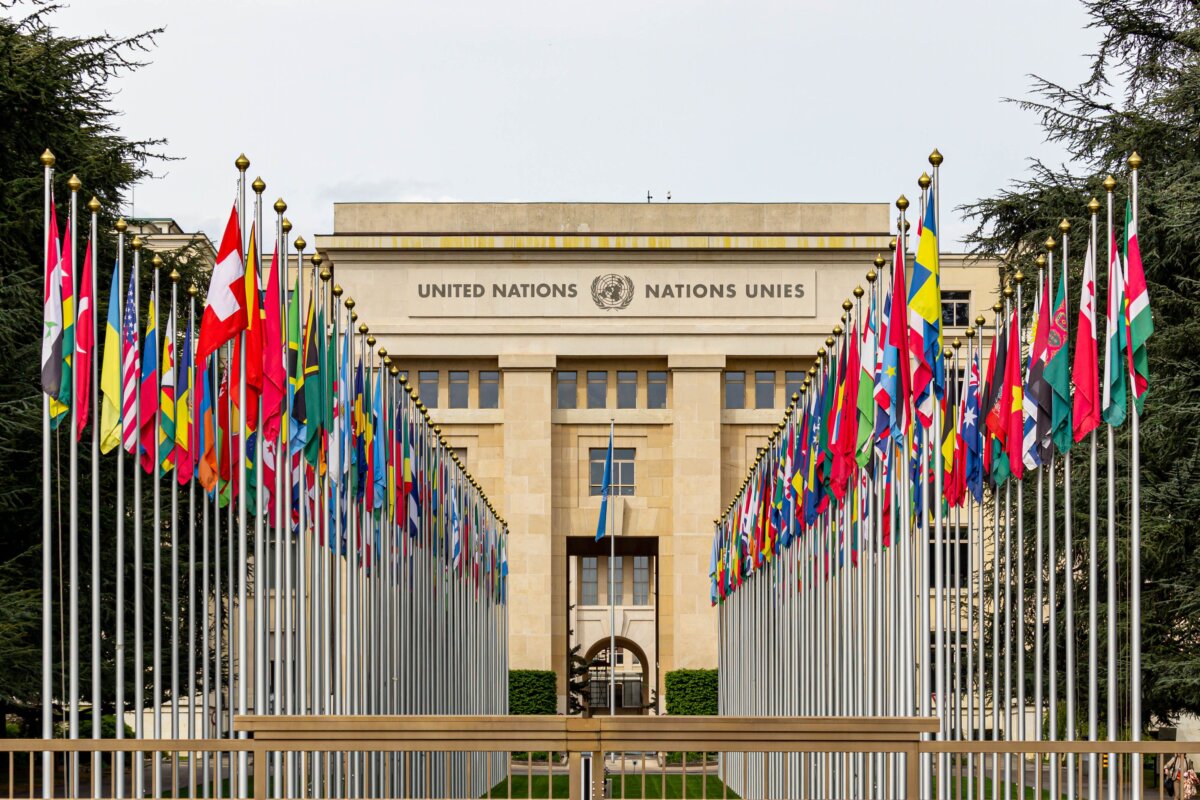
From the United Nations, a highly significant ruling. This month, the UN voted 141-8 to adopt a resolution backing a world court opinion that countries have a legal obligation to address climate change. The resolution was brought forward by the Pacific Island of Vanuatu - one of the most climate-vulnerable island nations - and says that states are obligated to reduce fossil fuel use and tackle global warming. The Members of the Court | INTERNATIONAL COURT OF JUSTICE. (n.d.). Retrieved June 9, 2026, from https://www.icj-cij.org/node/205690 While not legally binding, the ruling is being seen to have potential to be a diplomatic…
-
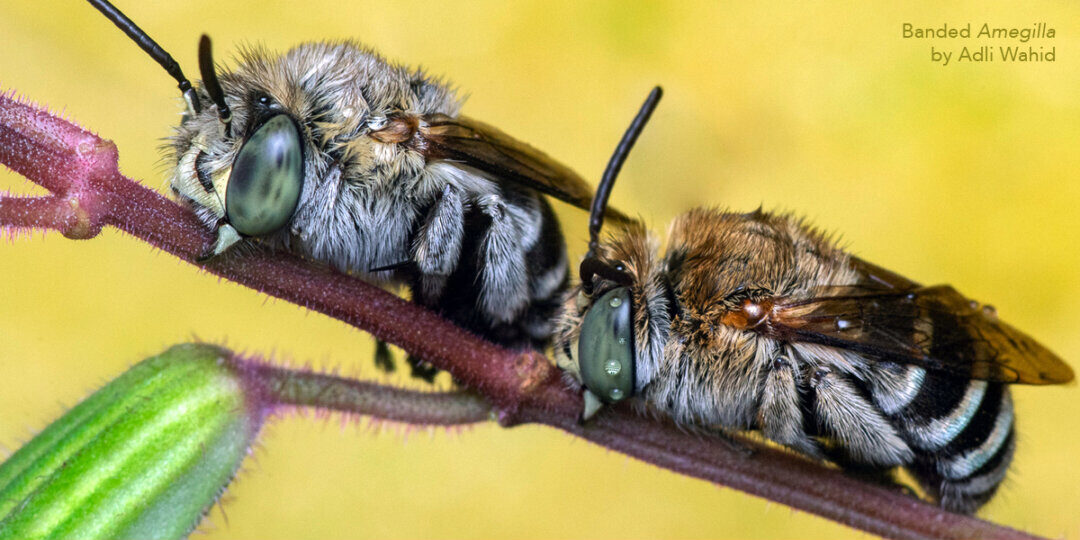
Today is World Bee Day!
World Bee Day falls on May 20th, and since 2017, it has been a day to educate and celebrate all things bees! The date represents seasonal changes across the northern and southern hemispheres, with flowers blooming, pollination celebrated, and honey being harvested across the globe. It’s also a nod to Anton Janša’s birthday, an 18th-century Slovenian beekeeper dubbed the father of modern beekeeping. World Bee Day’s theme is developed by the Food and Agriculture Organisation of the United Nations every year. 2026’s theme is “Bee together for the people and the planet: A partnership that sustains us all”. In a…
-
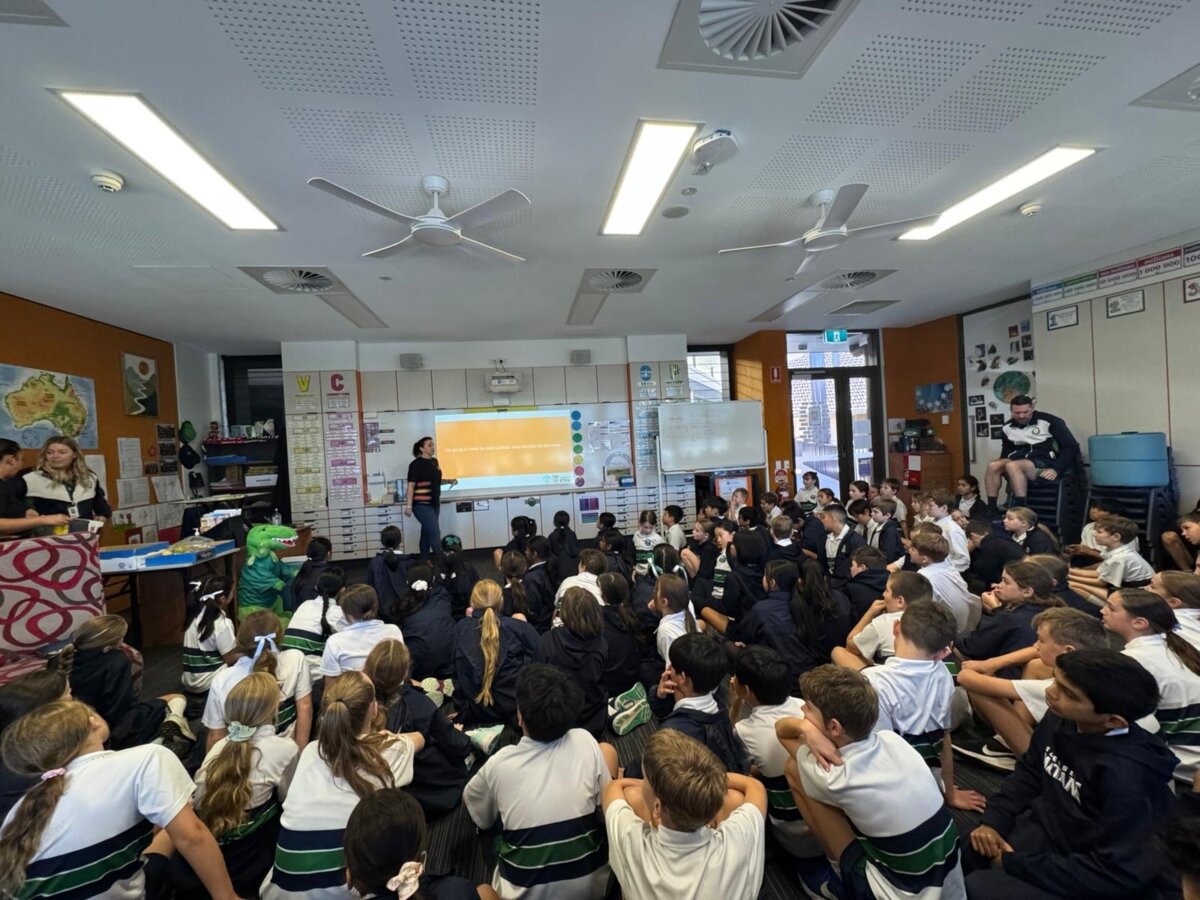
Bridie Schultz: Making science sizzle!
How impactful is a scientific discovery if its findings don’t see the light of day? What are the most effective strategies for scientific research reaching and supporting targeted communities? Dr. Bridie Schultz has spent nearly a decade of her career working to answer these questions. Before focusing on this field of work, Schultz and her sister, Dr. Kylie Hewson, spent the better part of 25 collective years in university, earning an impressive combined seven degrees and two PhDs. But once they entered professional scientific industries, they both began to notice a recurring disconnect: the science being conducted was not always…
-
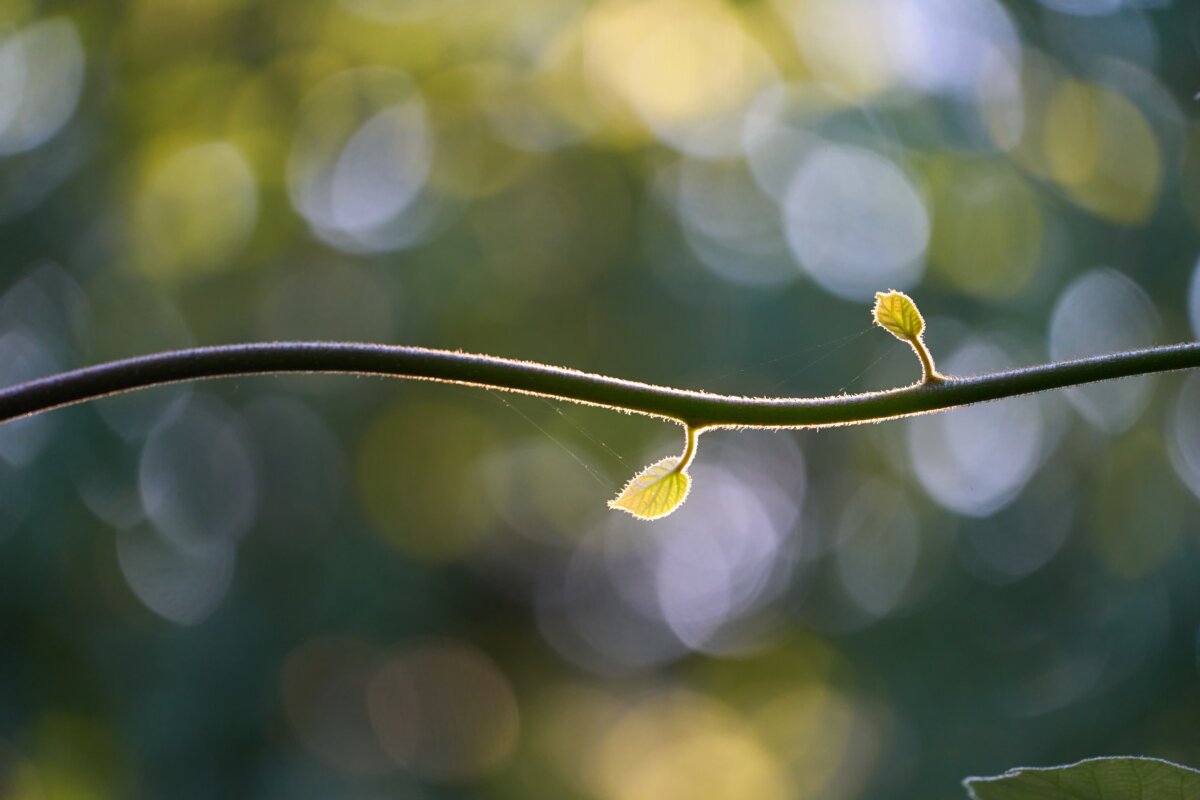
Understanding and Combating Plant Blindness
What is plant blindness? Plant awareness disparity, often referred to as PAD or simply plant blindness, is the human tendency to overlook plants in one’s own environment. This phenomenon is especially prevalent in the presence of animals, where people tend to view animals as more “alive” than other plants. Plant blindness does not mean that people are unable to physically see plants. Rather, it refers to humans grouping together plants as a green backdrop for animals to exist in. We recognise plants, but we don’t truly see them. Plant blindness was first coined in the United States in 1999 by…
-

Zoning in on the ozone solution: Lessons for other environmental challenges
The healing of the ozone layer with over 99 per cent of ozone-depleting substances phased out is often cited as an excellent example of how humanity can work together to counter environmental problems. Restoring ozone in the atmosphere is seen as a major success in the scientific and nonscientific world for fighting back on human-related climate change. While ozone depletion involves the protective layer in the stratosphere, it acts as a climate issue because the chemicals causing it (such as CFCs) are also potent greenhouse gases that trap heat. Additionally, the ozone hole affects atmospheric circulation, specifically cooling the Antarctic…