Articles
News
-
Native, Endemic And Introduced - What Do They All Mean?
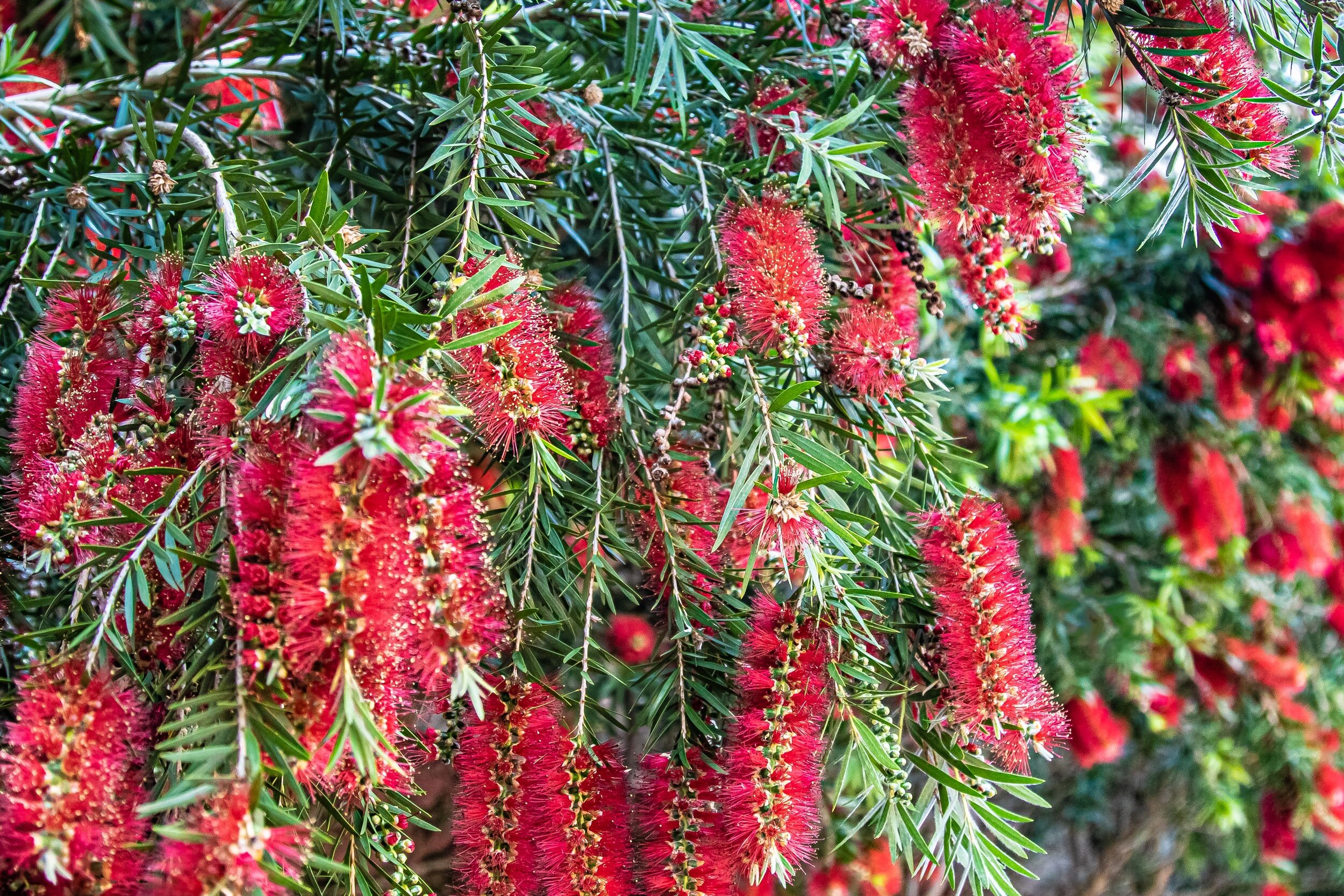
Through our B&B Highway project we have been working to create regenerative habitats to improve biodiversity in urban areas. As we have worked on these habitats, we have seen a variety of introduced, native and endemic species - creating several opportunities for pollinators to forage throughout the year. But what is the difference between introduced, endemic and native plants? Are they bad? And where can you get them from? Native Plants Native plants are probably the simplest to explain on this list. Theses are groups of plants native to a particular region (and it’s surrounding areas) and are otherwise known…
-
3 Types Of Solitary Bee Accomodation You Can Make At Home
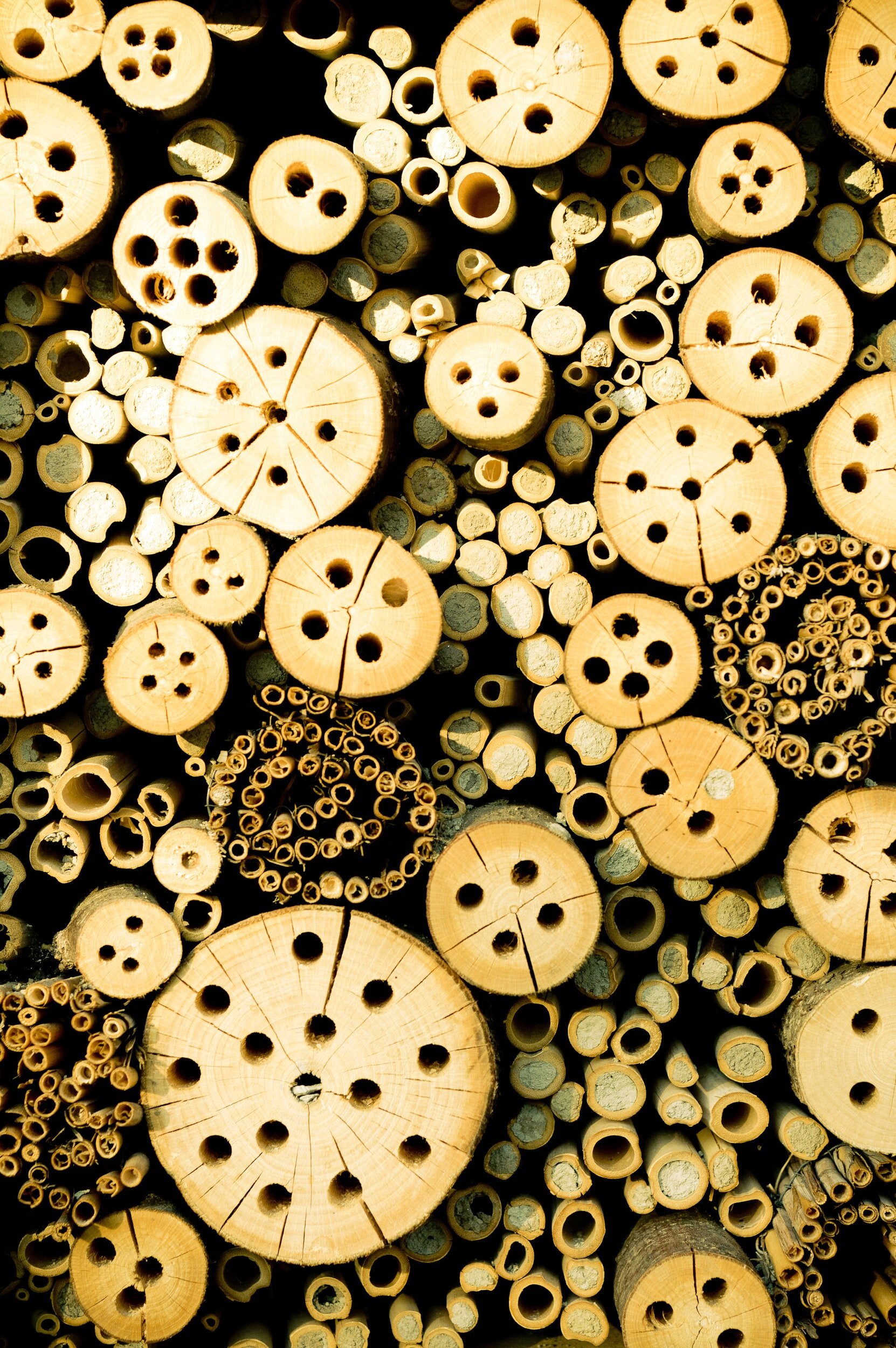
Flowers – check! Shrubs – check! Herbs – check! You’ve prepared or planted your garden with these pollinator staples – but have you thought about lending a hand with some hand-made constructed homes? There are numerous homes you can build for a wide array of bees and other invertebrates. A key requirement of native solitary bees, and one that is often overlooked, is the availability of suitable nesting habitat. Sometimes called ‘bee hotels’, they are artificial nesting structures made from wood, reeds, rammed earth or sand that are attractive to bees and other insects which use similar structures in nature…
-
Sustainability Sleuthing: Three Citizen Science Facebook Groups To Get You Started
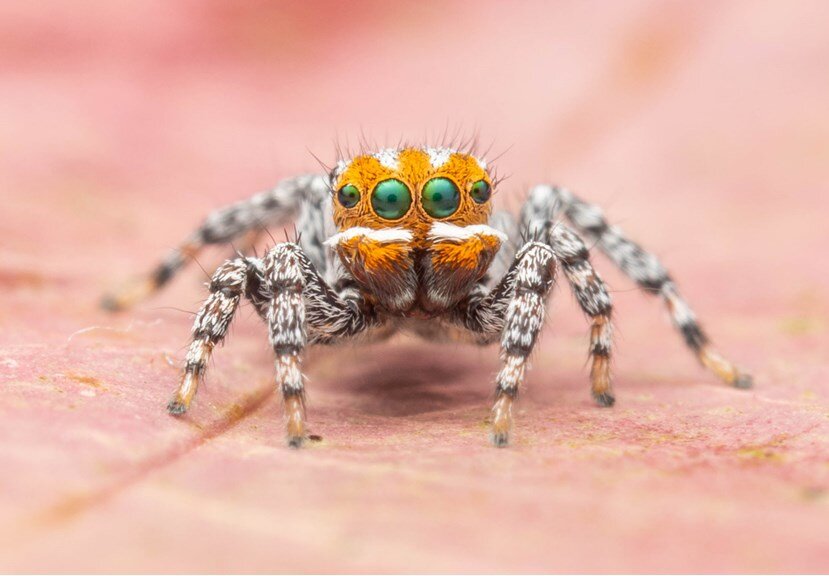
Looking to justify time spent on-line? The good news is that if you are a bird, bug or plant fan, your searches in cyberspace can not only dig up interesting facts, they can also add to valuable scientific biodiversity knowledge as well through citizen science. You can jump on-line, post an image and a few clicks later, be rewarded with information from passionate nature warriors like yourself. Just this month a new peacock spider – named Maratus Nemo, after the clown fish in the animated Finding Nemo movie because of its distinctive orange face with white stripes – was discovered…
-
Pollinators - Why You Should Create Habitat And What To Consider
As we here at PlantingSeeds know, the Biodiversity of the planet is under an alarming threat with the current increase in urbanisation. Just as a reminder, pollinators provide a vital service to the ecosystem by assisting in the reproduction of the majority of flowering plants in the world. Specifically, over 87% of flowering plant species are pollinated by animals. Insects, birds and mammals represent the main pollinators in nature, with insects being the primary pollinators, in particular bees. Unfortunately, substantial declines in the abundance of several species belonging to these major pollinator groups have been widely documented and the loss…
-
Attracting Bees & Other Pollinators In Your Garden
Here are some practical tips for what you can do in your back garden or balcony for our pollinating birds and bees. Thanks to Birdlife Australia. For more information, head here: Birds - For carnivore birds such as kookaburras, a general no to mince as it is depleted in calcium and can be sticky. This can lead to pieces being stuck on beaks, which can cause bacterial infections. Consider the soft meat dog rolls (similar to devon) available in supermarkets or kibble soaked in a little water. Sardines are another option. - For non-carnivore birds such as parrots or honey-eaters,…
-
Citizen Science – Get ‘Appy’ To Help Our Fellow Species
We’ve been hinting at an upcoming citizen science app for a little while now. So, while our Pollinator P.I. is still in development, we thought we’d help you test out your skills with some of the already available biodiversity apps online. While citizen science in this case focuses on explorations around biodiversity and sustainability, it does not require rocket science credentials – just simple phone skills. Citizen science apps that help biodiversity are simple. As a participant, all you need to do is take photos of plant and animal species and record simple data while out and about - placing…