Articles
News
-
Countering the Urban Heat Island Effect: How plantings bring down the temperature
The recently published National Climate Risk Assessment delivers confronting predictions of Australia’s environmental future. The report highlights the far-reaching risks that climate change poses to Australia’s future, with specific attention on urban environments, the escalating threats from heatwaves, sea levels rising accompanied by coastal flooding, and increasing weather variability. These impacts are expected to place mounting pressure on the nation’s economy, infrastructure and public health, with projections indicating that heat-related deaths in Sydney alone could rise by up to 444 per cent and in Melbourne by 259 per cent. The assessment's findings reveal the increased vulnerability of urban environments, where…
-
Climate Change Report: Pollinators in the Spotlight
Australia’s first climate risk assessment has emphasized the urgent need for action on climate change. The 2025 National Climate Risk Assessment review finds 1.5 million Australians are at risk from sea level rise by 2050. The National Climate Risk Assessment modelled impacts under three scenarios: 1.5C of warming, 2C of warming and 3C of warming. The Climate Change Authority says based on current global commitments; the world is on track to see 2.9C of warming this century. The most comprehensive climate assessment ever undertaken in Australia states that if no changes occur and we continue with a Business As Usual…
-
State of the Environment: Latest Report - Focus on the impacts of land clearing
EXPLAINER Biodiversity levels in New South Wales are declining rapidly, according to a report submitted to the State Parliament on the 26th of June 2025. The report indicates that land clearing is one of the major threats to our native landscape. The State of the Environment Report (‘SoE Report’), prepared by the New South Wales Environment Protection Authority, predicts that only 50 per cent of all species currently listed as threatened will still be living in 100 years’ time. This means that, by the year 2125, New South Wales will lose over 300 plant species and 150 animal species. The…
-
Benchmarking Biodiversity
With the Australian government and environmental experts promoting the idea of nature repair and regeneration becoming aspirational, biodiversity assessments become imperative. If we are to support native species and encourage healthier ecosystems, we need to determine trends, status, and distribution of fauna and flora to establish effective strategies to conserve and protect them. Biodiversity assessments provide a range of benefits including: A summary of biodiversity assessments in Australia follows. While many biodiversity parameters are voluntary and critics argue that we are not doing enough to help, there are various benchmarks that recommend interventions. The Commonwealth legislation established in 1999 is…
-
How to turn your backyard (or balcony) into a bee haven
Australia is home to a dazzling array of pollinator species. These include not just the familiar European honey bee, but also thousands of native species of bees, butterflies, beetles, wasps, moths, flies, hoverflies, birds, and even bats that all play essential roles in plant reproduction and food production. But globally and locally, pollinators are under threat. Recent studies have found that around 40 per cent of invertebrate pollinators, and about 16 per cent of vertebrate pollinators, are declining and at risk of extinction. In Australia, our pollinators are facing a myriad of pressures: habitat loss, urban development, pesticide use, and climate…
-
Taking on the heat
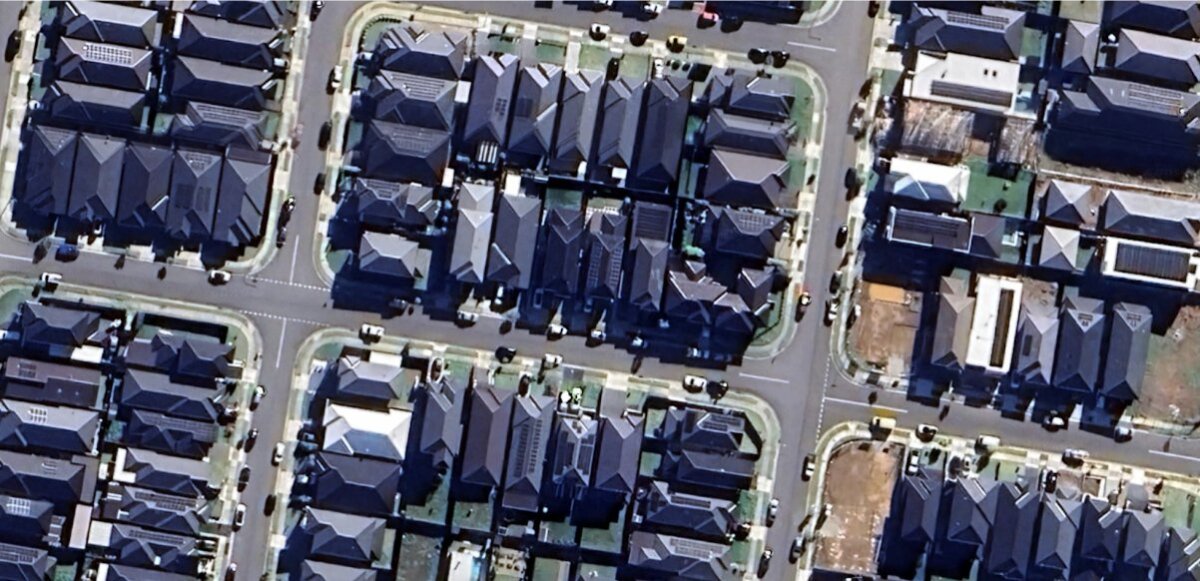
PlantingSeeds’ key mission is to support urban biodiversity. But climate change is in our sights as well. By teaching students – younger and older Australians – about the urban heat island effect (UHI) and providing tangible ways for them to witness how green and synthetic spaces vary wildly in temperature, we learn that plantings can help to take the heat out of scorchers. Our B’lazer module of the B&B Highway does just that. What is an Urban Heat Island? An Urban Heat Island (or UHI) occurs when urban areas – such as cities, large towns and dense suburbs – experience much…