Articles
Pollinators
-
Banking on banksias – glory to gums
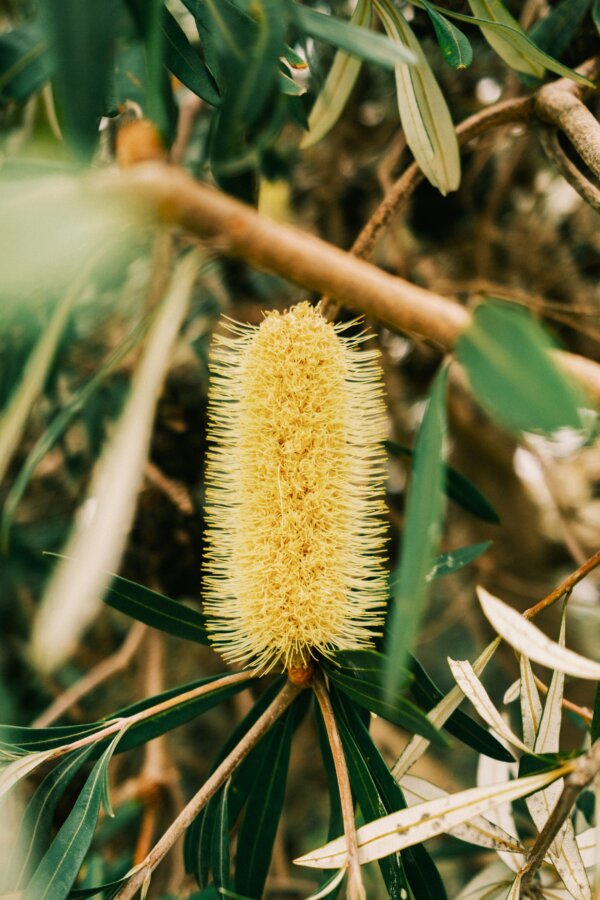
Australia features an estimated one million – give or take a few – different native species: mammals, frogs, invertebrates, reptiles and flowering plants, of which 80% are unique to our country. We spotlight two of our most iconic genus – banksias and eucalypts – to illustrate how they offer vital food and homes to unique species - in this case, three pollinators, the honey possum, the common blossom bat and the Swift Parrot. Banksias are among the best-known of all Australian native plants – a genus of over 200 species in the Protea family. There are 173 Banksia species, and all but one occur naturally only in Australia. Banksia…
-

“On The Verge”: Greening Sydney’s Urban Areas
When Lane Cove resident, Alan King, received an environmental newsletter from the Council introducing “On the Verge”, a new verge revegetation program, he knew he had to be a part of it. As an active member in the Lane Cove Council Bushcare and Backyard Habitat programs, he already had a deep appreciation for native plants. He hoped that transforming his verge into a thriving native habitat, would not only add beauty to his property but also inspire his community to do the same. What is it: Road verges, the area between public roads and private property, make up a large…
-
Protecting Hollow Habitats: Vital For Australia's Unique Wildlife
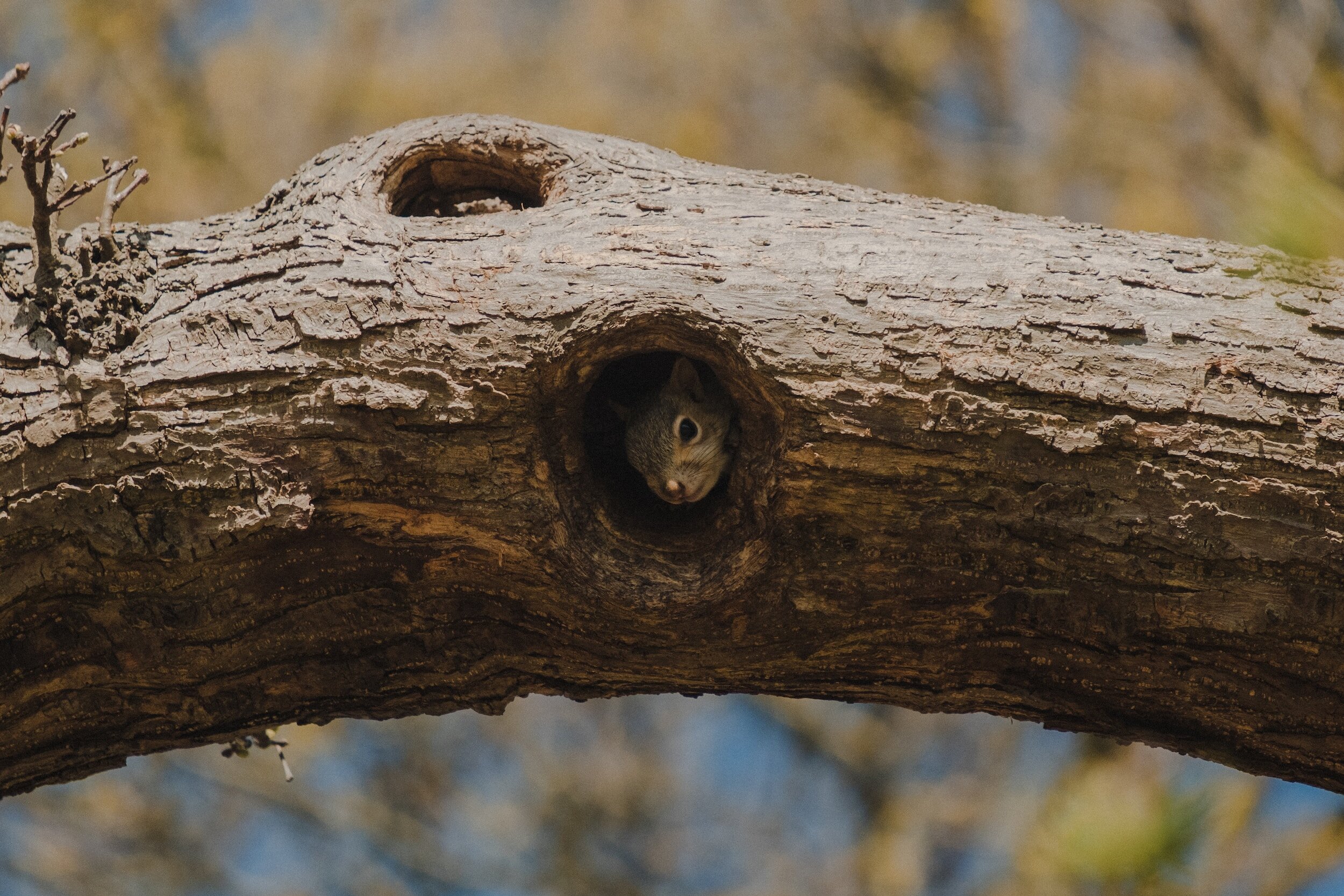
Australia's rich and diverse ecosystem is home to some of the world's most unique and captivating species. However, this natural treasure trove faces a significant threat: the loss of hollow habitats. Hollows, the cavities found in aged trees, play a critical role in supporting various wildlife species. In this article, we'll explore the importance of hollow habitats, the species that rely on them, how they form, and the strategies for their conservation. The hollow habitat crisis One of the most pressing concerns for Australia's native species is the removal of old trees, which represents the greatest threat to their survival.…
-
Primary And Secondary Pollinators: Nature's Dynamic Duo
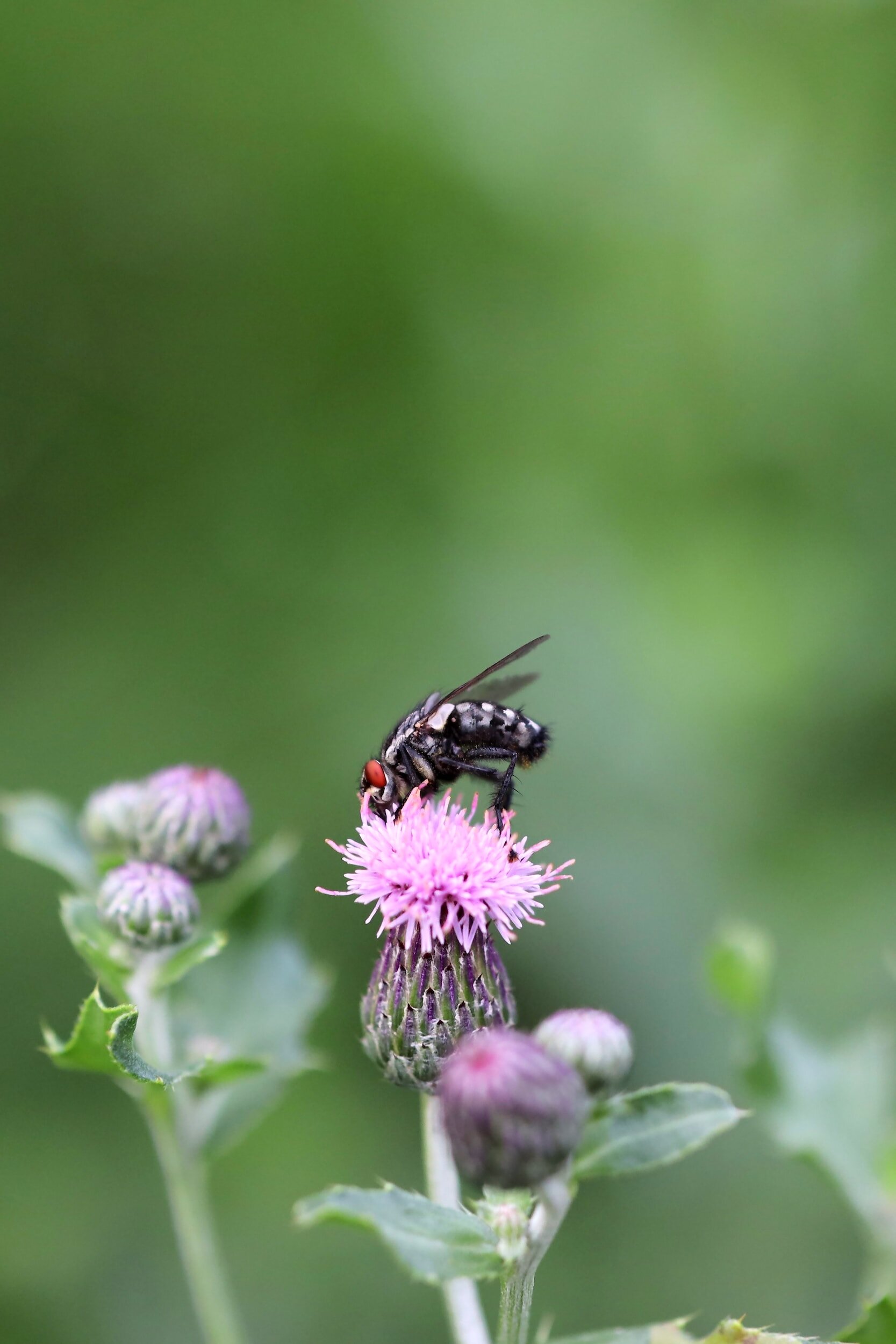
Why are pollinators important? When you think about pollinators, images of honeybees likely pop up in your head. And rightfully so, after all, it seems like all people care about is bees as pollinators and that they spread pollen around and sustain plant populations. Yet, there are so many other pollinators that you might have not heard of such as beetles, flies and wasps, butterflies and moths. All of these pollinators share many things in common: • They fly, allowing them to visit plants more quickly and therefore assist with producing seeds and fruit in many plant species. • They…
-
Battling For Survival: Greater Gliders And The Impact Of Bushfires On Biodiversity
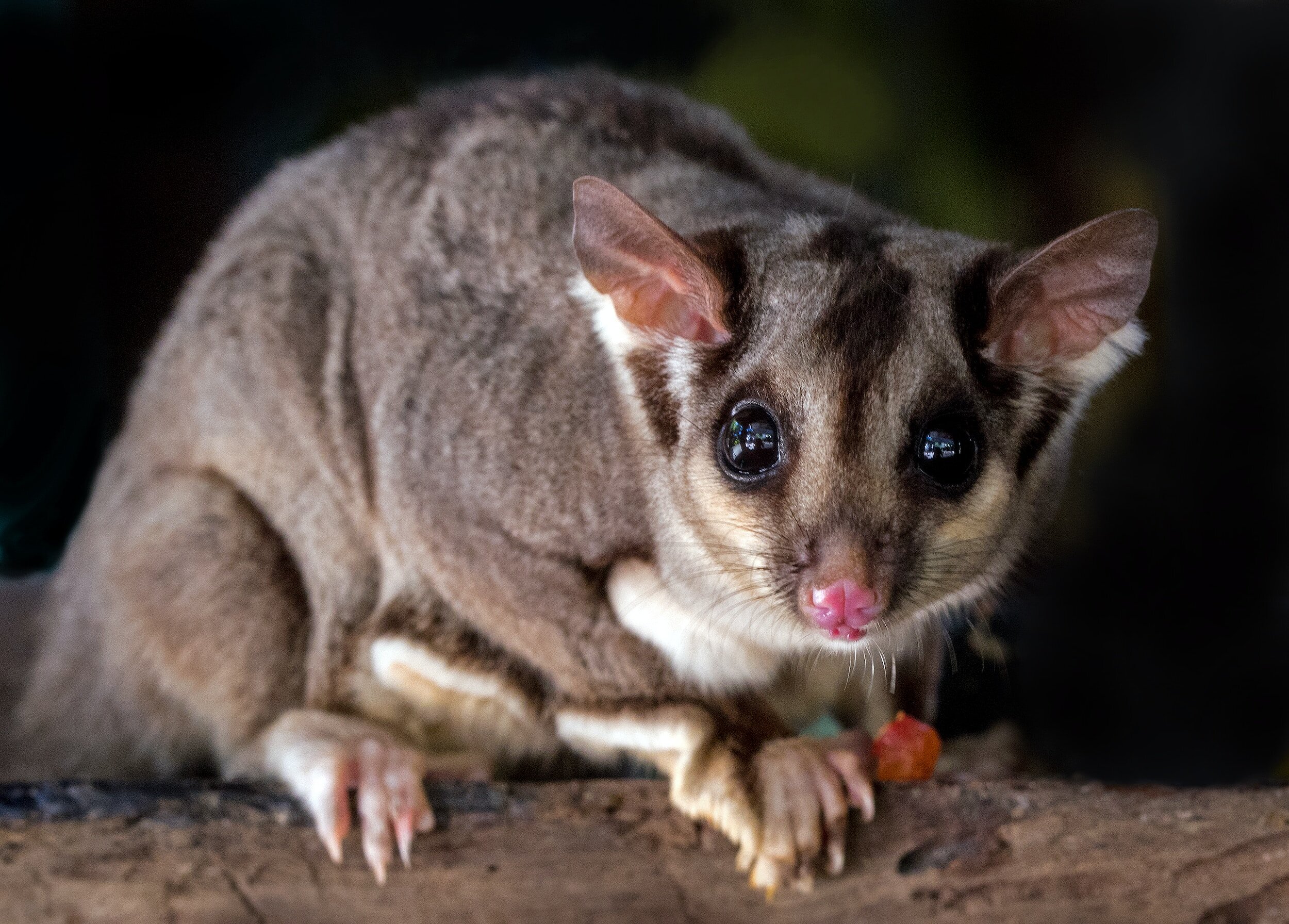
The devastating bushfires that ravaged Australia in recent years had a profound impact on wildlife, resulting in a decline in the number of species, including the Greater Glider (Petauroides volans) in the Greater Blue Mountains Area (GBMA). Greater Gliders: An Enigmatic Marsupial The Greater Glider, a remarkable arboreal marsupial, finds its habitat in eucalypt forests along the eastern seaboard of Australia, spanning from northern Queensland to central Victoria. This species is highly specialised, predominantly feasting on eucalyptus leaves, with a typical habitat area ranging from 1 to 3 hectares. It exhibits a strong preference for tall, wet eucalypt forests on…
-
Large Positive Changes From Small Urban Greening
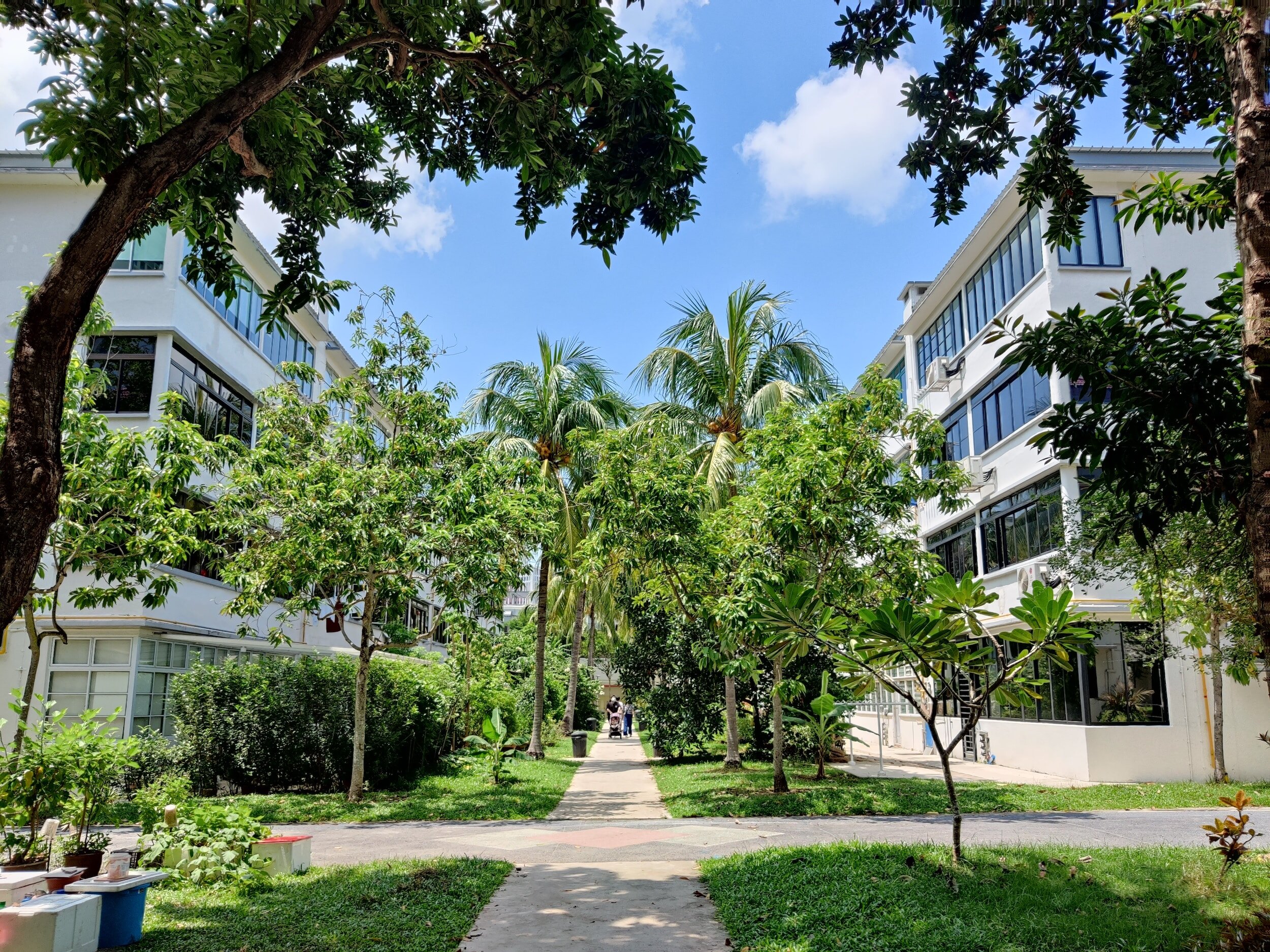
One of our PlantingSeeds educators in Victoria, Tyler King, has recently co-authored an academic paper on the positive ecological benefits of small urban greening actions. The research was conducted on a small greenspace – less than 200m2 in size – which was adjacent to a major road and surrounded by multi-storey buildings. The study was conducted across four years, with the initial survey undertaken prior to any greening actions when only Kikuyu grass and two spotted gums were present in the space. For one year prior, and three years after the greening initiative, the researchers assessed the diversity and abundance of…