Articles
PS Update
-
Are Lawn Spaces As ‘Green’ As We Think
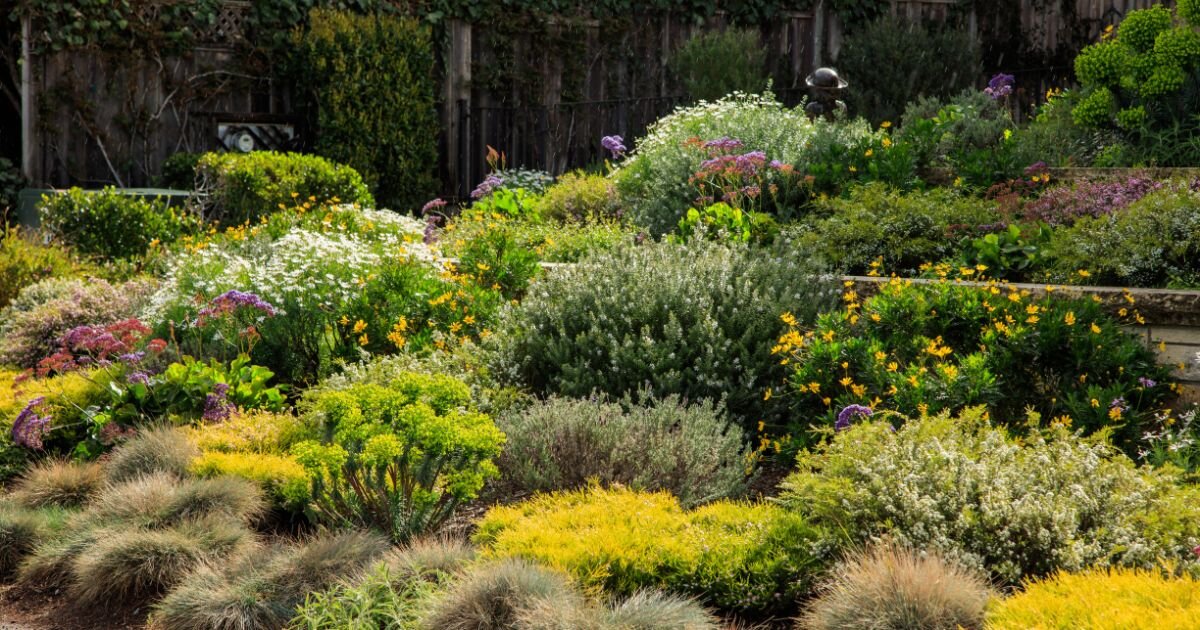
Grass is not always greener Lawns present a challenge to biodiversity efforts. Big fields of uninterrupted grass are monocultures, and aren’t as ‘green’ for the environment as we might think. ‘Ecosystem services’ (what an ecological space contributes to an ecosystem) are not always equal, and by creating more diversity of native flora in green urban spaces, we can significantly improve our impact on Australia’s environment. Australia’s Current Lawnscape Picture a lawn in your mind, and you most likely think of the sweeping expanse of a striped golf course, or a lush green backyard. But what you might not think about…
-
Newbies to legal rights: Peruvian Stingless Bees
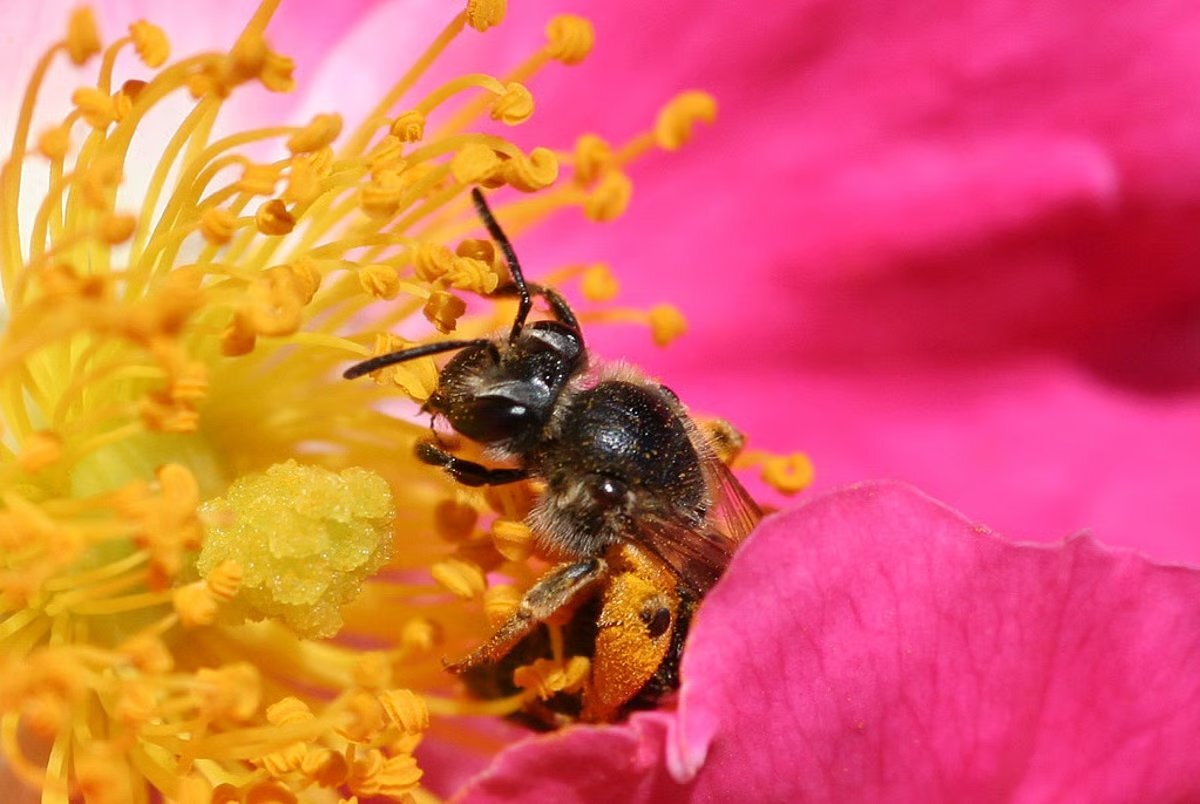
In an unprecedented step for the protection of insects everywhere, stingless bees in Peru have recently been granted legal rights. Stingless bees native to the Amazon rainforest were recently given legal protections by the Peruvian-Amazon municipalities of Satipo and Nauta in order to support their survival and ongoing population health. Deforestation, climate change, and the competition of the introduced European honeybee are just a few of the many threats posed to this indigenous species, according to findings from the International Climate Initiative. This order of protection was built upon a pre-existing law which had recognized stingless bees as valuable native…
-
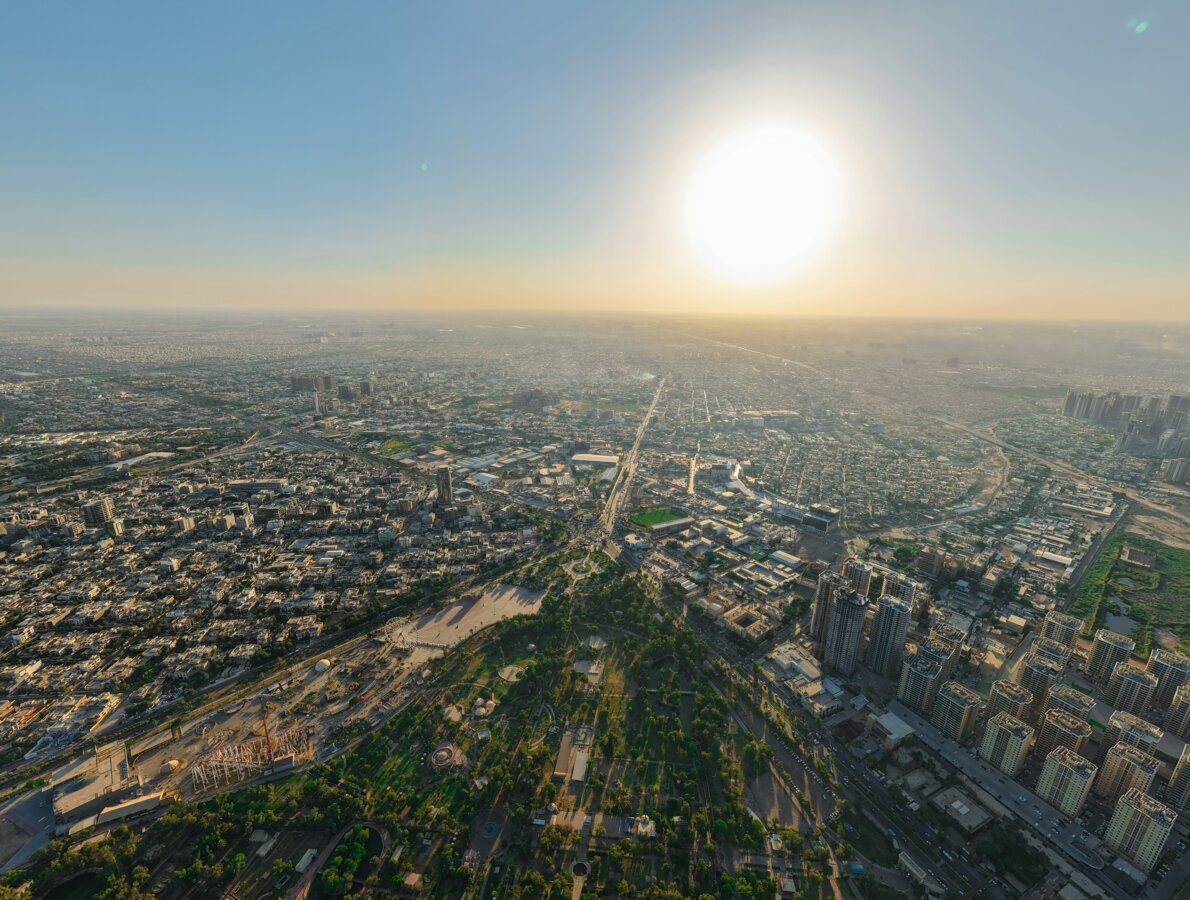
Urban Heat Research Branching Out
Impacts of green infrastructure on urban heat often focus on trees and their canopies. But seeing the wood for the trees is important as it is the detail that counts. Urban heat research has found that it's not as simple as planting a few trees and considering how the top layers reduce heat. Local climate comes into the mix. Ground covers and shrubs contribute to comfort and biodiversity. And grey infrastructure such as reflective rooves is important too. Cooling and greening is complex and multiple solutions are important to mitigate against the impacts of climate change in cities and suburbs.…
-
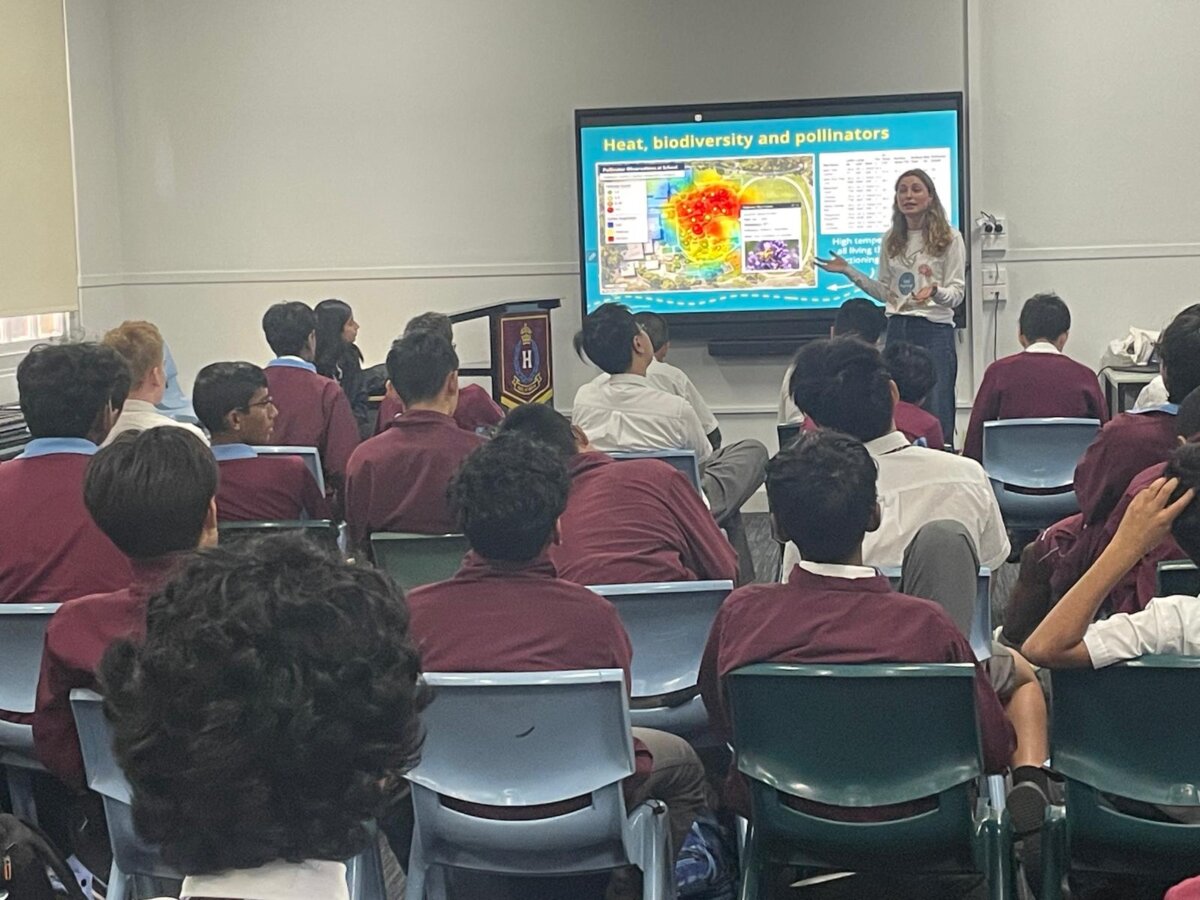
New climate change environmental resource from the NSW Government
A new initiative from the NSW Government called Adapt NSW reflects how climate change and its impacts on all species is influencing knowledge, outlooks and actions. Adapt NSW aims to inform and empower communities, businesses and government to adapt to climate change ‘to build a more resilient and low emissions future for this generation and the next’. It provides information, actions, tools and case studies of adaptation that inspire action. The initiative also provides multiple links to curriculum, focusing on high school subject areas. Science, Geography, Economics, Business Studies, Society and Culture, Sustainability as a cross-curriculum priority and Interactive Learnings…
-
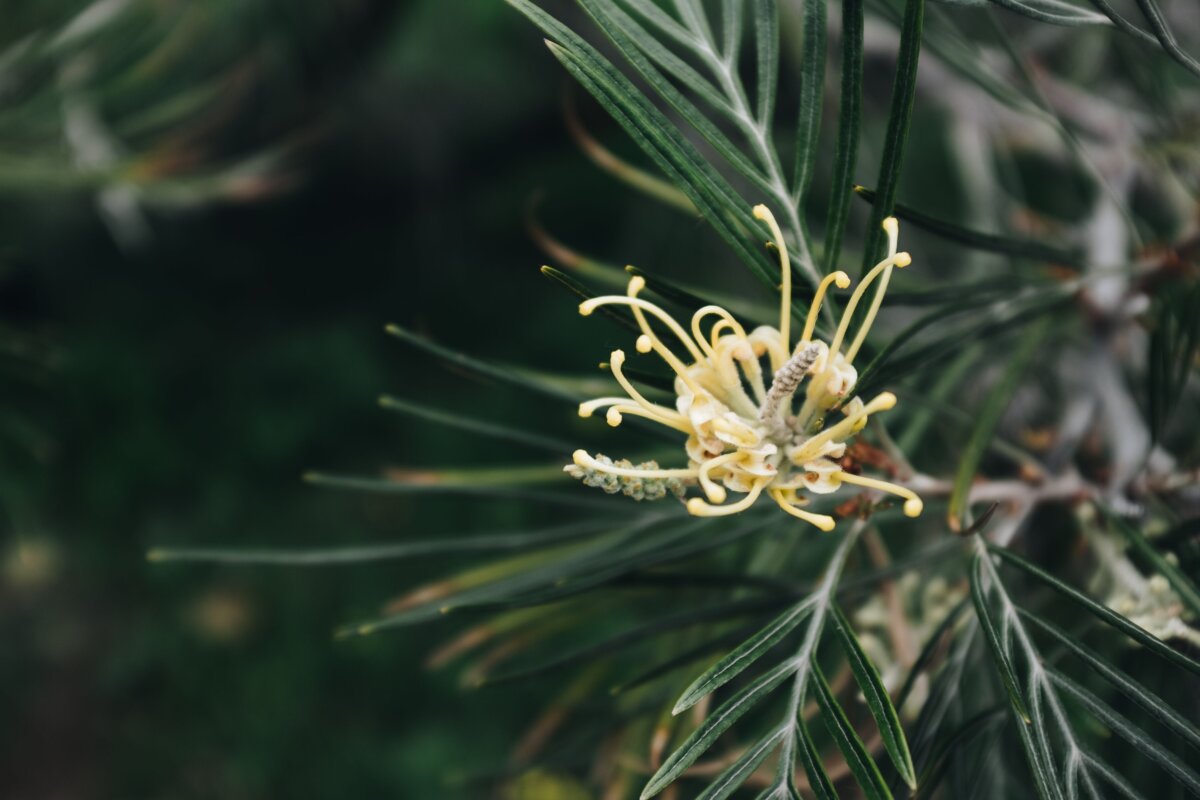
Making Sense of Plant Senses
Latest research reveals extraordinary findings Most people know plants as living organisms, but don’t realise just how complex they are. Like humans, plants and trees face challenges such as predators, limited food availability and extreme temperatures. However, without being able to move, they have developed other mechanisms to adapt to threats. New research from the University of Canterbury and published in The Conversation https://theconversation.com/the-secret-sensory-life-of-plants-researchers-are-discovering-how-they-see-hear-feel-and-even-remember-277076 shows that plants have a sophistication that allows them to detect and adjust to environmental signals. The research, which builds on a growing field of study, shows plants are able to perceive light, respond to touch, detect…
-
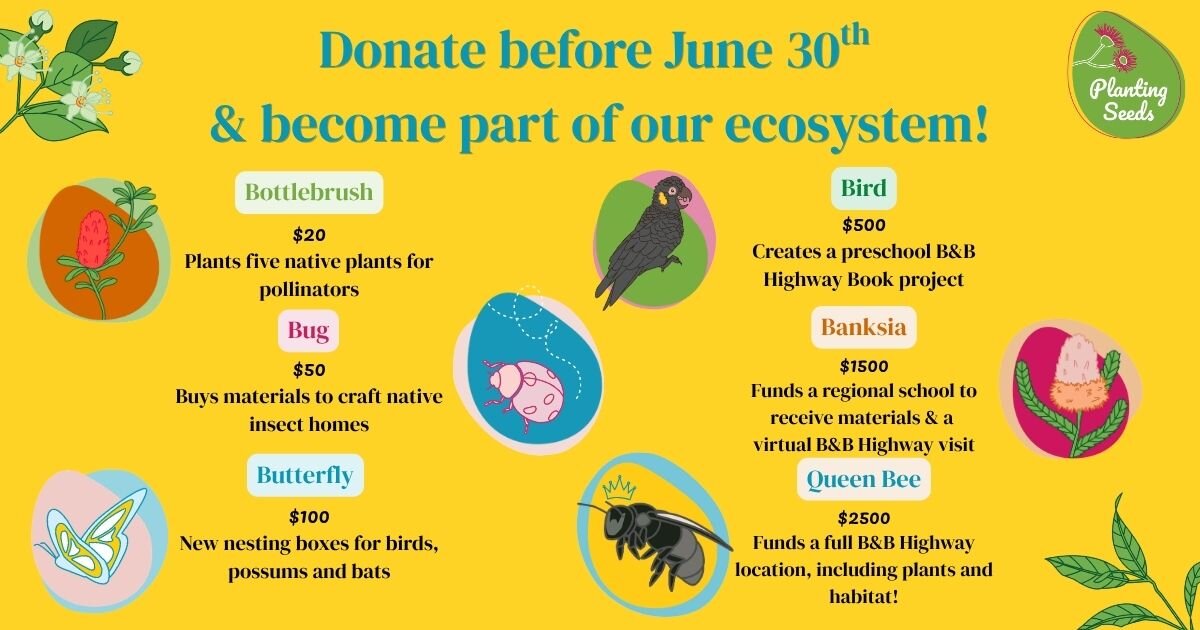
DOUBLE your Donations* this June! Help US Help Urban Nature
Thanks to a generous PS donor, all tax deductible donations* up to $20,000 before June 30th will be matched so all of your donations will be doubled!DONATE TODAY TO DOUBLE YOUR DONATIONPlantingSeeds started its B&B Highway program seven years ago. In that time, we have planted OVER 17,000 plants. Educated OVER 20,000 Australians. Been into hundreds of schools. Why? Because nature in cities counts. Approximately 46% of threatened fauna and 25% of threatened flora live in urban areas. But we need to step up to help because the role of urban conservation is overlooked. (The Australian State of the Environment Report and the federally…